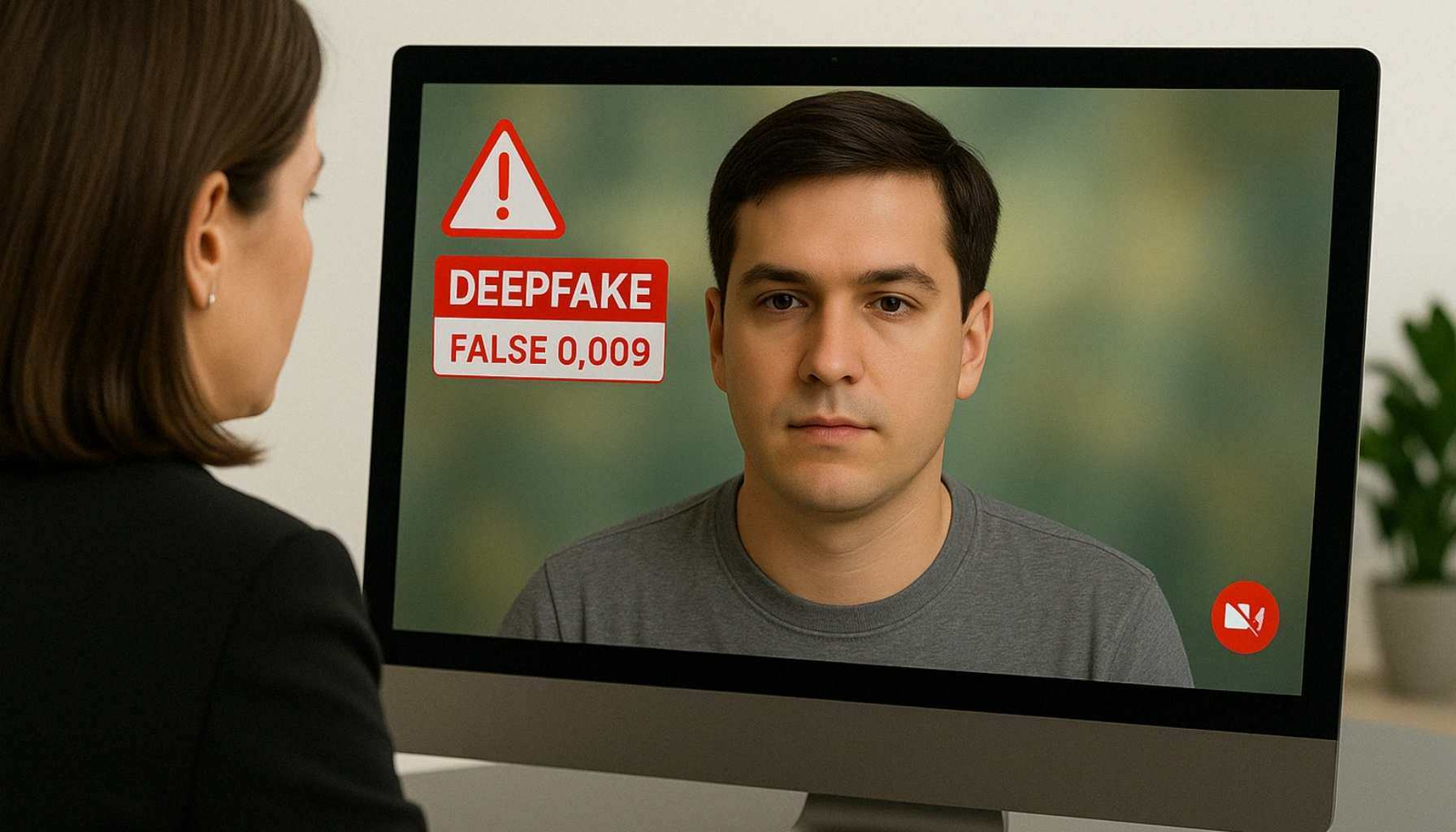
Virtual meetings have become a new frontline for cybercrime as deepfake attackers and social engineers increasingly infiltrate Zoom, Microsoft Teams, and Google Meet sessions. By posing as executives, clients, or trusted colleagues, attackers are exploiting real-time video collaboration to steal sensitive data and manipulate high-stakes business decisions.
The threat is escalating rapidly. Advances in generative AI now allow criminals to clone faces and voices in real time, making impostors nearly indistinguishable from legitimate participants. A widely cited case in Hong Kong, where attackers used deepfake video to authorize a $25 million fraudulent transfer, highlights the financial scale of the risk. In parallel, account takeovers driven by stolen credentials—often harvested through Okta vishing campaigns such as those linked to the ShinyHunters group—are granting attackers legitimate access to corporate meetings.
Once inside, social engineering takes over. Fraudsters may join calls as fake IT support staff during screen-sharing sessions, request access under the guise of troubleshooting, or quietly observe strategic discussions. Compromised meetings can result in live wire transfer approvals, source code theft during demos, contracts signed under false identities, or confidential strategy sessions being recorded and abused later.
To counter this, enterprises are moving toward continuous verification during meetings. “Participant pulse checks” monitor behavioral and technical signals throughout a call rather than relying on a one-time login. Red flags include silent participants with video enabled, microphones muted during critical moments, sudden changes in device or location, and subtle audio desynchronization typical of deepfake artifacts.
These solutions are designed for enterprise scale, running silently without disrupting users, remaining compliant with DPDP and GDPR requirements, and supporting thousands of concurrent meetings with minimal false positives.
For India’s BPO and IT services sector, the risk is acute. Firms like TCS and Wipro, already battling deepfake fraud and vishing attacks, must adopt continuous meeting verification to preserve client trust in an increasingly deceptive digital environment.