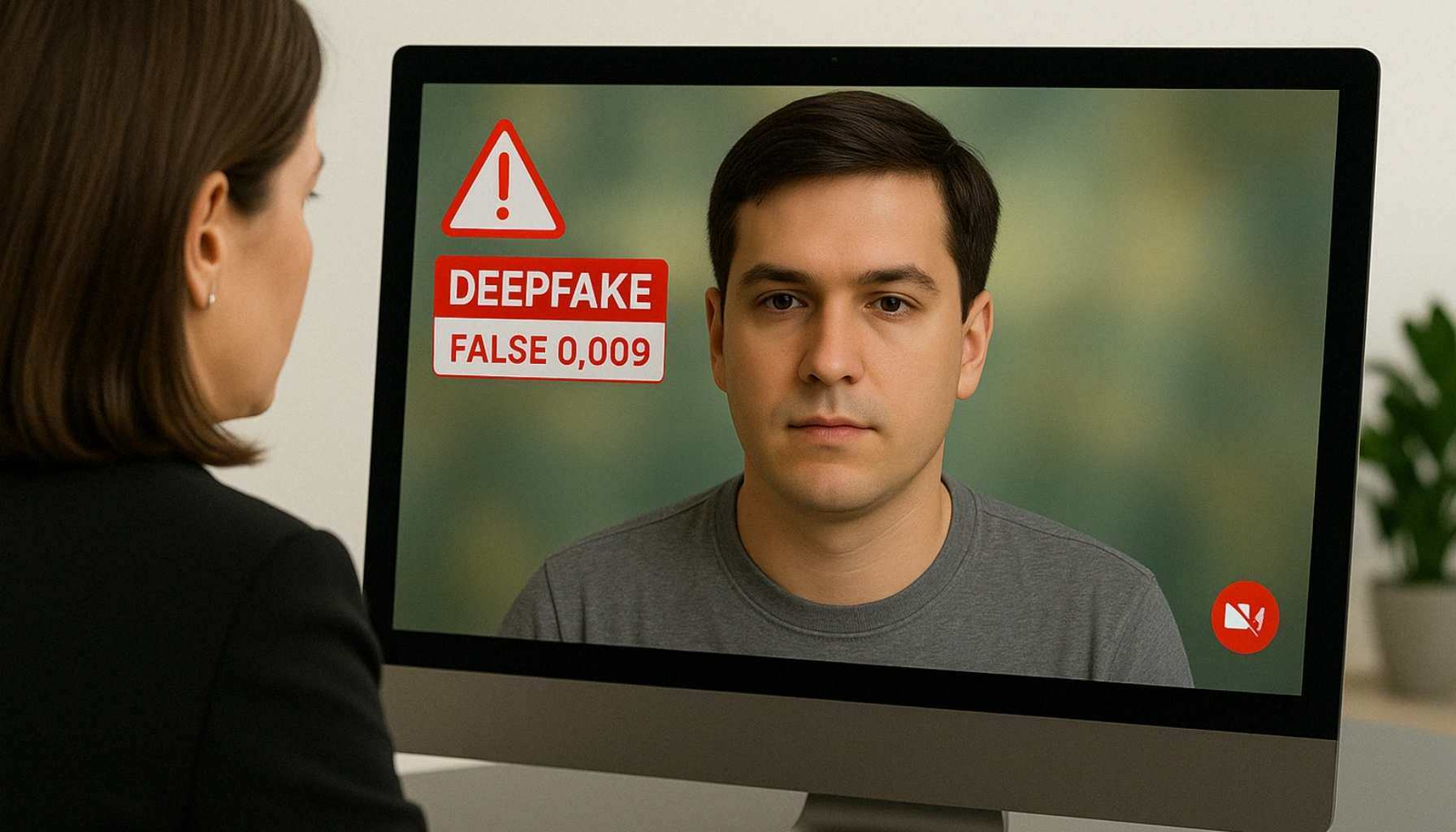
The UK government has joined hands with Microsoft to develop a deepfake detection evaluation framework aimed at tackling the rapid rise in the misuse of AI-generated content. Announced by the Home Office, the initiative forms part of the government’s broader strategy to combat digital fraud, online abuse, and the erosion of public trust in digital media.
The framework will bring together experts from leading technology companies and academia to evaluate how advanced tools and methodologies can be used to detect, analyse, and decode deepfake content. By pooling technical expertise and research capabilities, the initiative seeks to strengthen the UK’s ability to identify and respond to increasingly sophisticated AI-driven threats.
A central goal of the project is to establish clear, industry-wide standards for deepfake detection. These benchmarks are expected to help technology platforms, enterprises, and public institutions respond more consistently and effectively to malicious synthetic media.
UK Tech Secretary Liz Kendall cautioned that deepfakes are being actively weaponised by criminals to commit fraud, exploit women and girls, and undermine confidence in what people see and hear online. The scale of the problem is growing rapidly. According to the Home Office, an estimated eight million deepfake videos were shared in 2025, up sharply from 500,000 in 2023. High-profile cases in 2024 included deepfakes impersonating Sir Keir Starmer and Prince William in cryptocurrency scams.
As part of its response, the UK has criminalised the creation and distribution of non-consensual sexually explicit deepfakes. While welcoming the move, Andrea Simon, Director of the End Violence Against Women Coalition, stressed that platforms must do more to prevent abuse rather than placing the burden on victims.
Minister for Safeguarding and Violence Against Women and Girls, Jess Phillips, said the framework would help expose criminal tactics, close regulatory loopholes, and hold technology companies accountable. The initiative reflects a wider global concern, with countries such as Singapore also warning of rising corporate deepfake scams targeting businesses and senior leaders.