
Quantum Security Race Why Post-Quantum Cryptography Is Critical
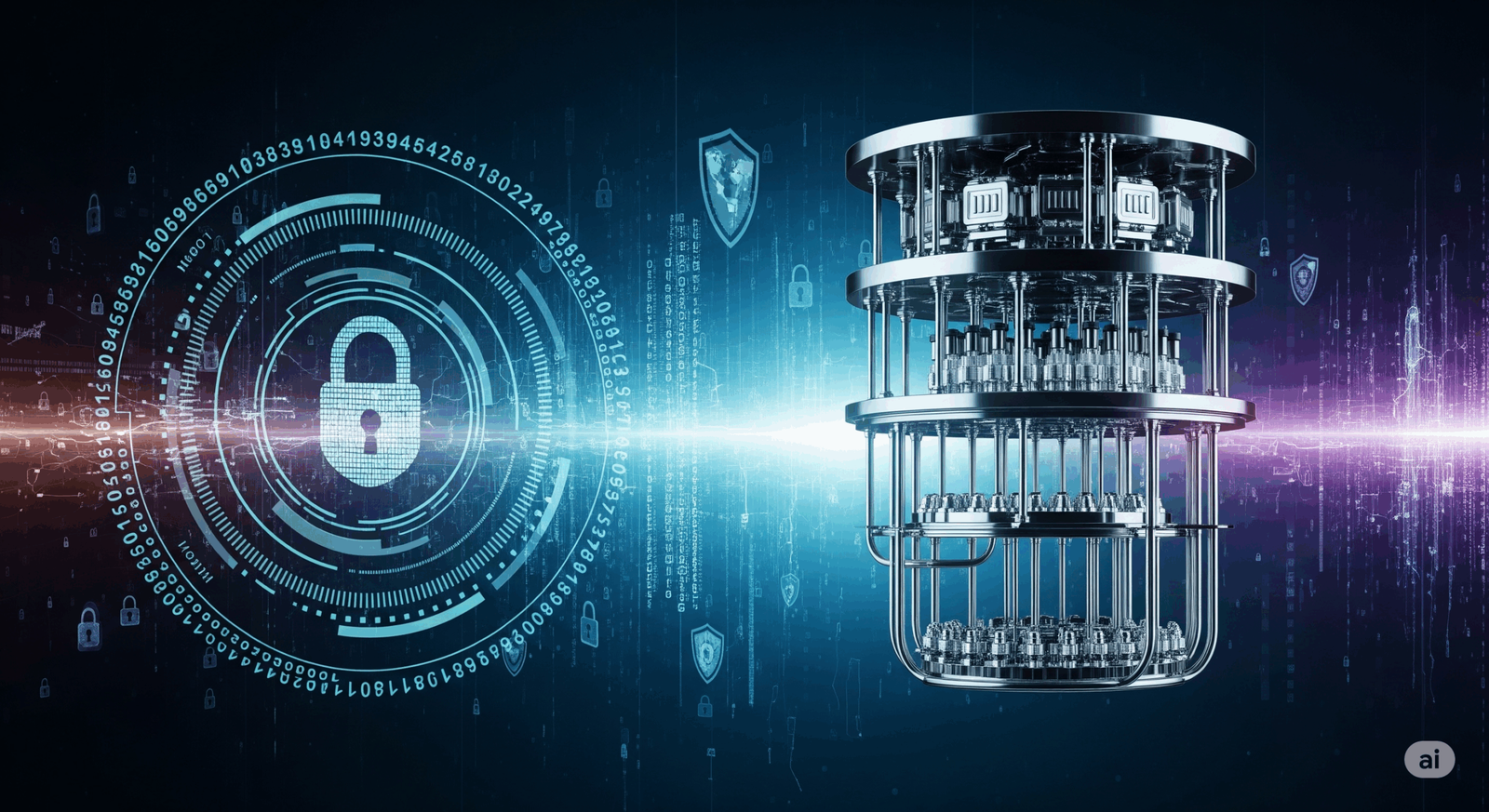
Most organizations assume that encrypted data is secure. However, cybersecurity experts warn that this assumption may not hold true in the future. As quantum computing advances, attackers are already preparing for a time when today’s encryption methods could be broken. Instead of trying to decrypt sensitive information now, many adversaries are collecting encrypted data and storing it so it can be deciphered later once quantum computers become powerful enough.
This tactic is known as “harvest now, decrypt later.” It involves intercepting and storing encrypted communications today with the intention of decrypting them years later when quantum capabilities mature. The strategy poses a significant risk for organizations that handle sensitive data such as financial records, intellectual property, healthcare information, and government communications. Information transmitted securely today could become readable in the future if it relies on encryption standards that quantum computers may eventually defeat.
The challenge lies in the fact that many encryption algorithms widely used today—including RSA and elliptic curve cryptography (ECC)—were never designed to withstand the computational power of quantum machines. Once large-scale quantum computers become viable, these algorithms could be broken far more quickly than with classical computing systems. This looming risk is forcing organizations to rethink how they protect sensitive data that must remain confidential for years or even decades.
To address this threat, cybersecurity experts are increasingly advocating the adoption of post-quantum cryptography (PQC)—a new generation of encryption techniques designed to remain secure even against quantum attacks. PQC algorithms are engineered to resist the advanced mathematical capabilities that quantum computers will introduce, ensuring that encrypted data remains protected in the future.
One practical approach gaining momentum is hybrid cryptography, which combines traditional encryption with quantum-resistant algorithms such as ML-KEM. This model enables organizations to strengthen their security posture without immediately replacing existing cryptographic systems. By running classical and quantum-safe encryption simultaneously, hybrid cryptography allows a gradual transition toward quantum-resilient security while preserving compatibility with current infrastructure.
Preparing for the quantum era also requires a broader strategic security framework. Organizations must identify sensitive data that needs long-term protection, map where encryption is used across systems, and begin implementing hybrid cryptographic approaches. Security teams must also maintain visibility into cryptographic assets and ensure compliance with evolving cybersecurity regulations.
Equally important is the role of Zero Trust architectures, which allow organizations to inspect encrypted traffic and enforce security policies even as encryption technologies evolve. Integrating PQC into Zero Trust frameworks ensures visibility and control across enterprise networks while safeguarding sensitive information against future decryption threats.
Beyond cybersecurity, quantum computing and agentic AI are expected to reshape financial markets, redefining how trading systems, risk modeling, and fraud detection operate. As financial institutions adopt AI-driven decision engines and quantum-accelerated analytics, the need for quantum-safe security frameworks becomes even more critical.
Innovations from companies like FaceOff Technologies highlight how the next generation of digital trust platforms could address this challenge. By integrating post-quantum cryptography, quantum-safe identity frameworks, deepfake detection, and zero-trust authentication, FaceOff aims to protect sensitive financial and digital ecosystems from both AI-driven threats and future quantum attacks. Such architectures could enable secure digital identity verification, fraud prevention, and resilient data protection—helping financial institutions transition safely into a world where quantum computing and autonomous AI systems redefine the foundations of cybersecurity and global finance.