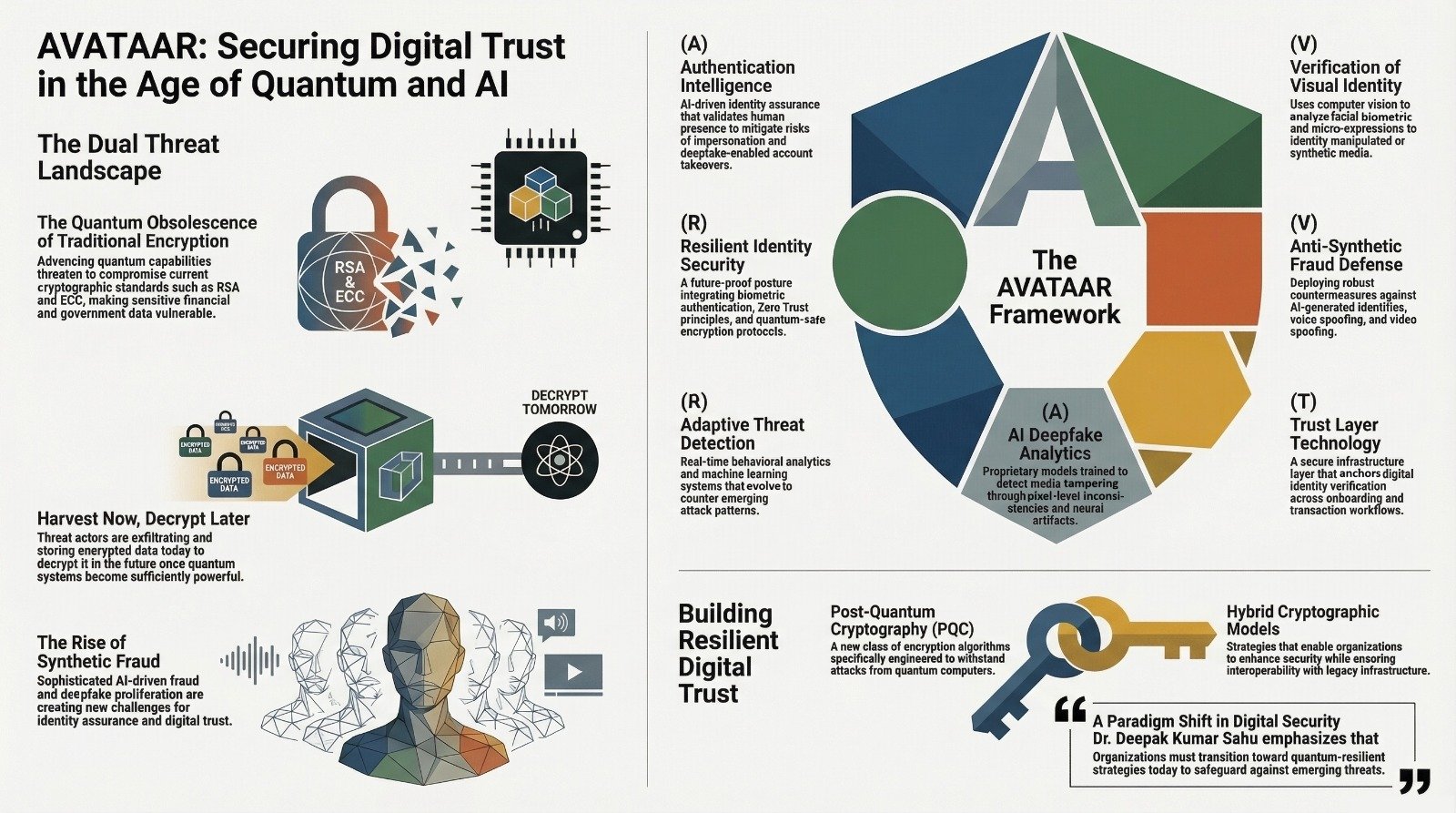
In 2025, AI-powered cyber attacks have surged by 148%, marking an unprecedented acceleration in the volume and sophistication of digital fraud. Hackers are leveraging artificial intelligence for everything from smarter phishing campaigns to scalable deepfake scams, exploiting weaknesses in identity protection and data security at record speeds.
Nearly 83% of phishing emails now use AI, with attackers generating highly convincing messages up to 40% faster than before. Deepfakes—driven by machine learning and generative AI—have fueled a 2,137% jump in fraud attempts since 2022, targeting financial firms, social media platforms, and vulnerable individuals, often with precision-crafted voice clones and video forgeries.
Even password theft has transformed: AI tools crack over half of common passwords almost instantly, putting billions at risk and shifting breach tactics from brute force to intelligent exploitation.
Traditional defenses are being overwhelmed as attackers automate reconnaissance, select high-value targets, and evade security protocols in real-time. Organizations with outdated controls now face average breach costs above $4.9 million—a 10% increase year-on-year—while global damages from cybercrime are projected to hit $30 billion in 2025, with continued explosive growth.
To counter this evolution, cybersecurity strategies are shifting towards autonomous threat detection, adaptive defense, and the integration of AI-driven monitoring and incident response. Without robust prevention and AI governance, the risk and cost of digital fraud will only escalate, challenging enterprises to adapt faster than ever.