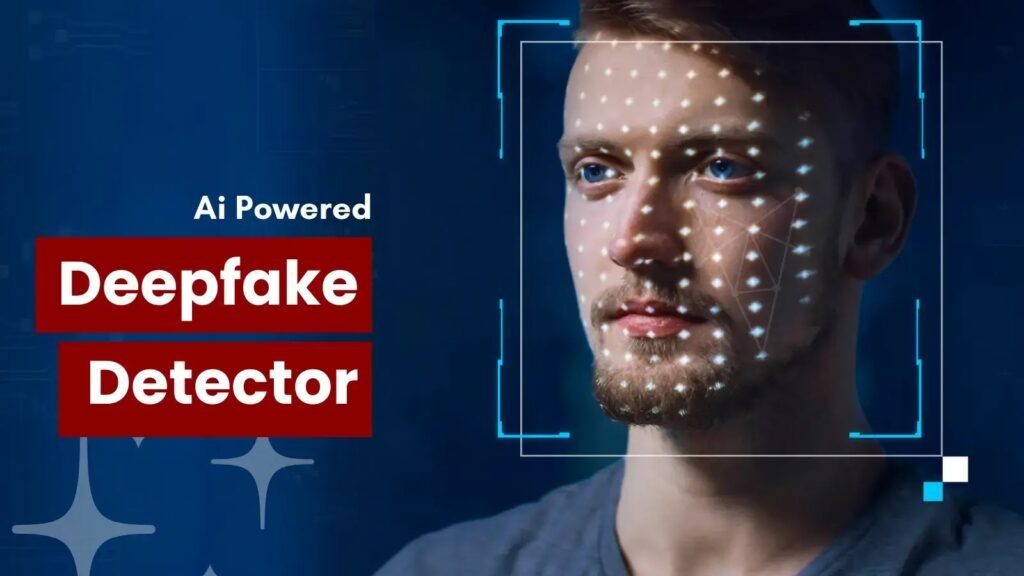
UIDAI’s new SITAA initiative arrives at a pivotal moment for India’s digital identity ecosystem, as the Digital Personal Data Protection Act (DPDP) reshapes how personal identifiable information—especially Sensitive Personally Identifiable Information (SPII) such as biometrics—must be collected, processed, and protected. While SITAA aims to strengthen Aadhaar authentication against deepfakes, spoofing, and biometric fraud through AI-driven innovation, it also expands the handling of highly sensitive biometric and demographic data across startups, researchers, and technology partners. Since Aadhaar remains the backbone of India’s identity infrastructure, any system interacting with it inevitably comes into contact with fingerprints, facial templates, iris patterns, and device metadata—data that cannot be changed if compromised.
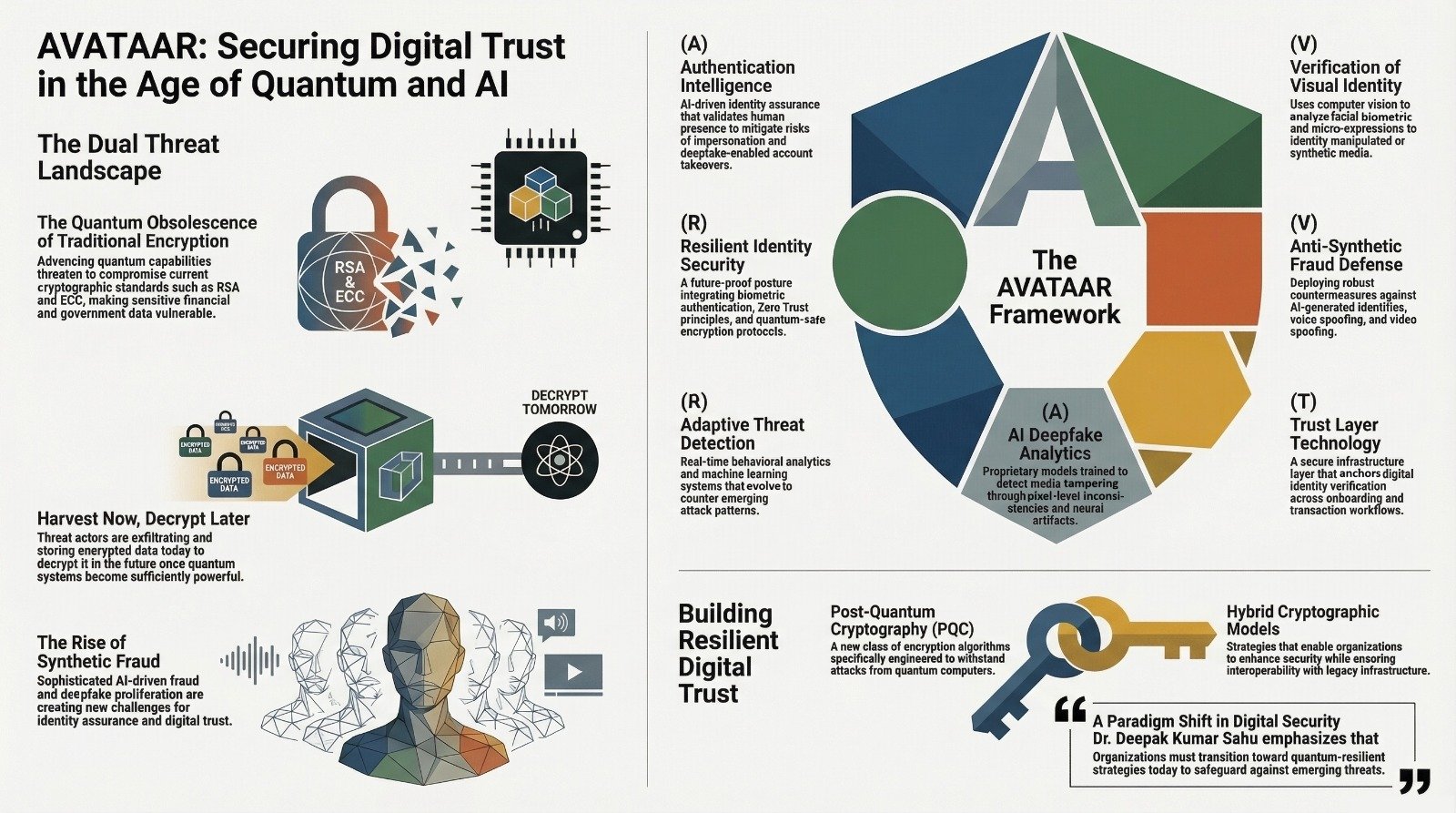
As collaboration widens, the number of technical risk points increases. Vulnerabilities may arise from unsecured development setups, misconfigured cloud systems, weak APIs, incomplete anonymization, accidental biometric storage in logs, or AI-related risks such as model inversion, where an attacker can reconstruct biometric traits from trained models. A major emerging danger is the “harvest now, decrypt later” threat: attackers steal encrypted biometric data today and store it until advancements like quantum computing allow them to break the encryption in the future. This means Aadhaar-linked SPII exposed during SITAA research could be decrypted years later, enabling identity theft, synthetic identities, financial fraud, or long-term surveillance profiling.
DPDP places strict obligations on every institution involved in SITAA. Consent must be free, informed, specific, and voluntary. Purpose limitation ensures that Aadhaar data is used only for its stated objective. Data minimization restricts collection to the bare minimum required. Security controls must include strong encryption, zero-trust access, role-based permissions, continuous monitoring, audit logs, cybersecurity assessments, and defined incident-response plans. DPDP also mandates timely deletion of sensitive data to prevent long-term risk, especially against harvest-now, decrypt-later attacks.
If protections fail, consequences are severe. Stolen biometrics can be used to generate deepfake faces, replicate fingerprints, impersonate individuals across Aadhaar-linked services, or combine leaked demographics with other datasets for targeted fraud and surveillance. Since biometrics cannot be replaced, any breach creates a lifelong vulnerability—one amplified by future decryption capabilities.
Given Aadhaar’s role in welfare delivery, payments, telecom access, governance, and national security, protecting biometric authentication is essential to the stability of India’s digital ecosystem. SITAA can drive innovation, but innovation must be grounded in DPDP’s legal and ethical safeguards. Privacy by design and security by design must guide every stage of development. DPDP is not merely a compliance requirement—it is a protective shield for more than a billion Indians.
As India builds next-generation identity verification systems, unwavering protection of PII and SPII—including safeguards against future quantum-era threats—must remain the foundation. Without rigorous security and strong public trust, even the most advanced biometric technologies cannot safeguard the future of India’s digital identity architecture.