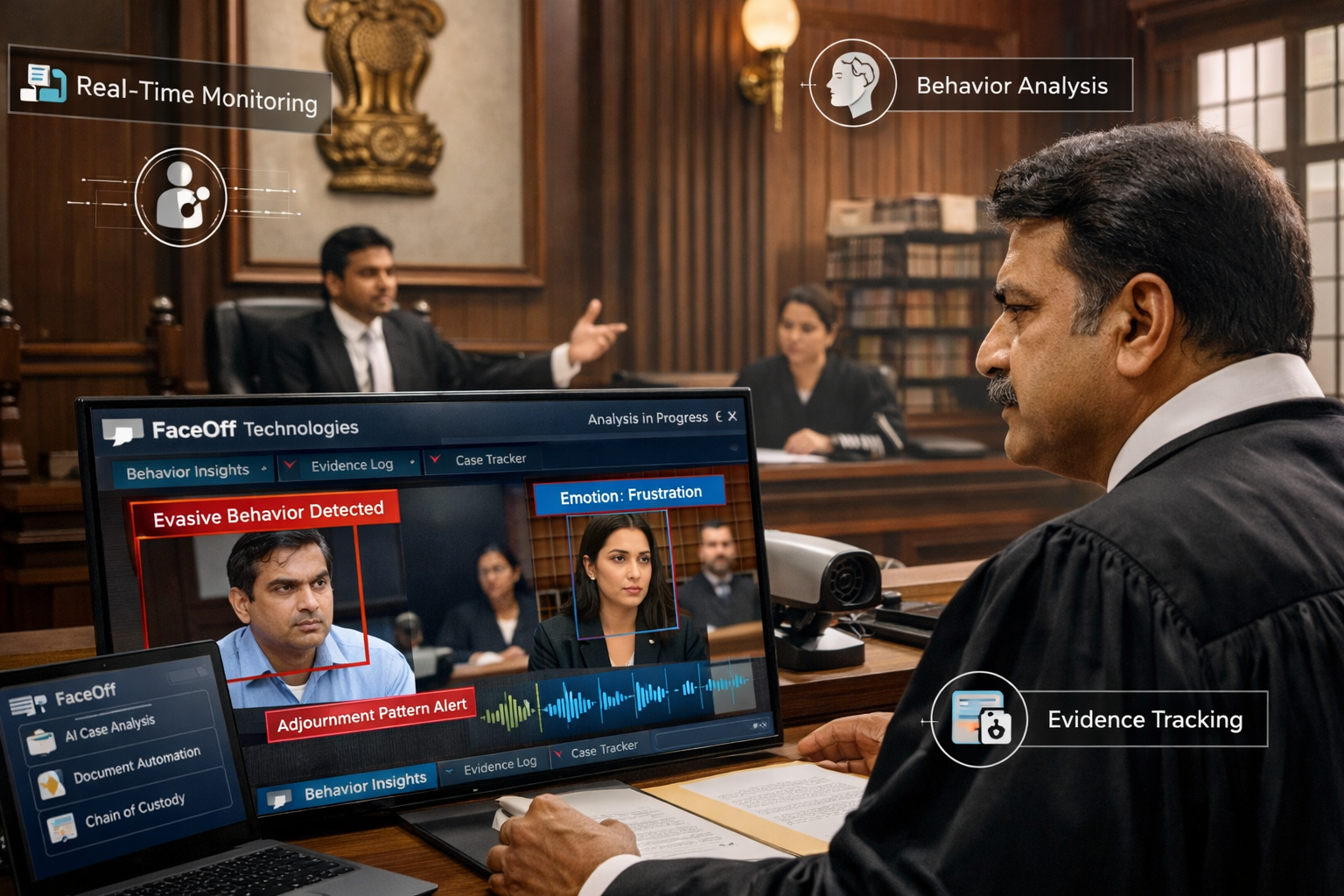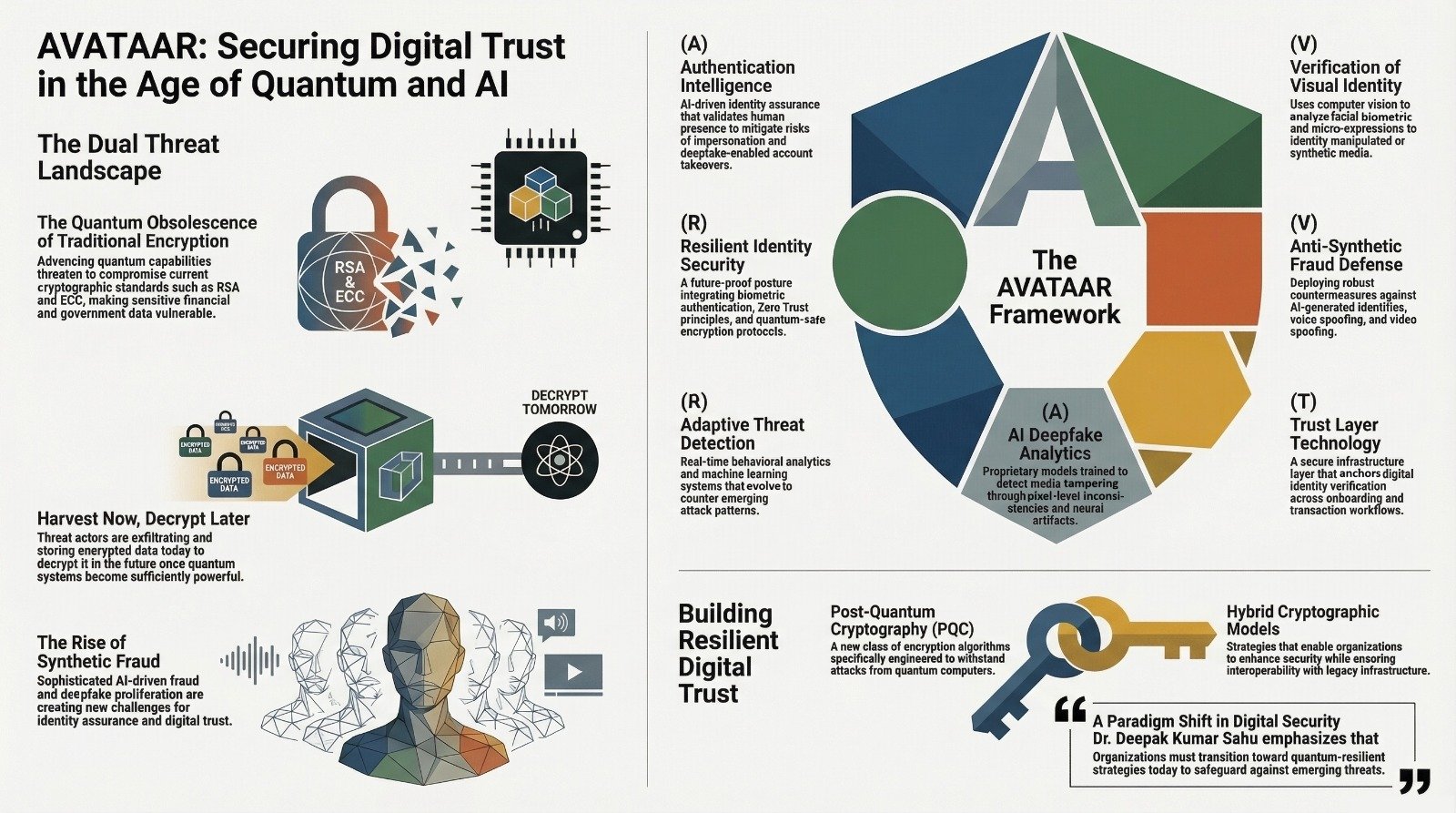
Enterprises are stepping into an entirely new generation of cyber risk — an era defined by agentic AI, where autonomous AI agents can plan, execute, and evolve attacks independently at machine speed. This rapid acceleration of offensive capability is forcing security teams to rethink traditional defenses that were never designed for AI-native adversaries.
Agentic AI refers to fully independent models that carry out tasks without human direction. When weaponised, these agents can infiltrate networks, harvest credentials, escalate privileges, and execute complex multi-stage intrusions in minutes. What once required expert human hackers can now be automated, scalable, and relentless.
The rise of such malicious agents significantly lowers the barrier to entry for attackers. Individuals with little technical skill can deploy AI agents capable of testing firewalls, crafting targeted phishing campaigns, exploiting vulnerabilities, or stealing sensitive data with unprecedented precision. This enables adversaries to orchestrate dozens — even hundreds — of parallel attacks with minimal effort.
Experts warn that many organizations still lack clarity on how to securely deploy AI internally. Without proper safeguards, AI systems can become attack surfaces themselves — vulnerable to data poisoning, prompt manipulation, or rogue agent creation.
To meet this escalating threat, defenders must operate at the same speed as their adversaries. Enterprises need runtime security for AI systems, continuous risk scoring, and AI-powered detection tools capable of identifying malicious agent behaviour in real time. Traditional, human-paced security workflows are no longer enough.
Agentic AI has rewritten the dynamics of cyber warfare — and organizations must evolve quickly to defend in a world where attacks unfold faster than humans can react.