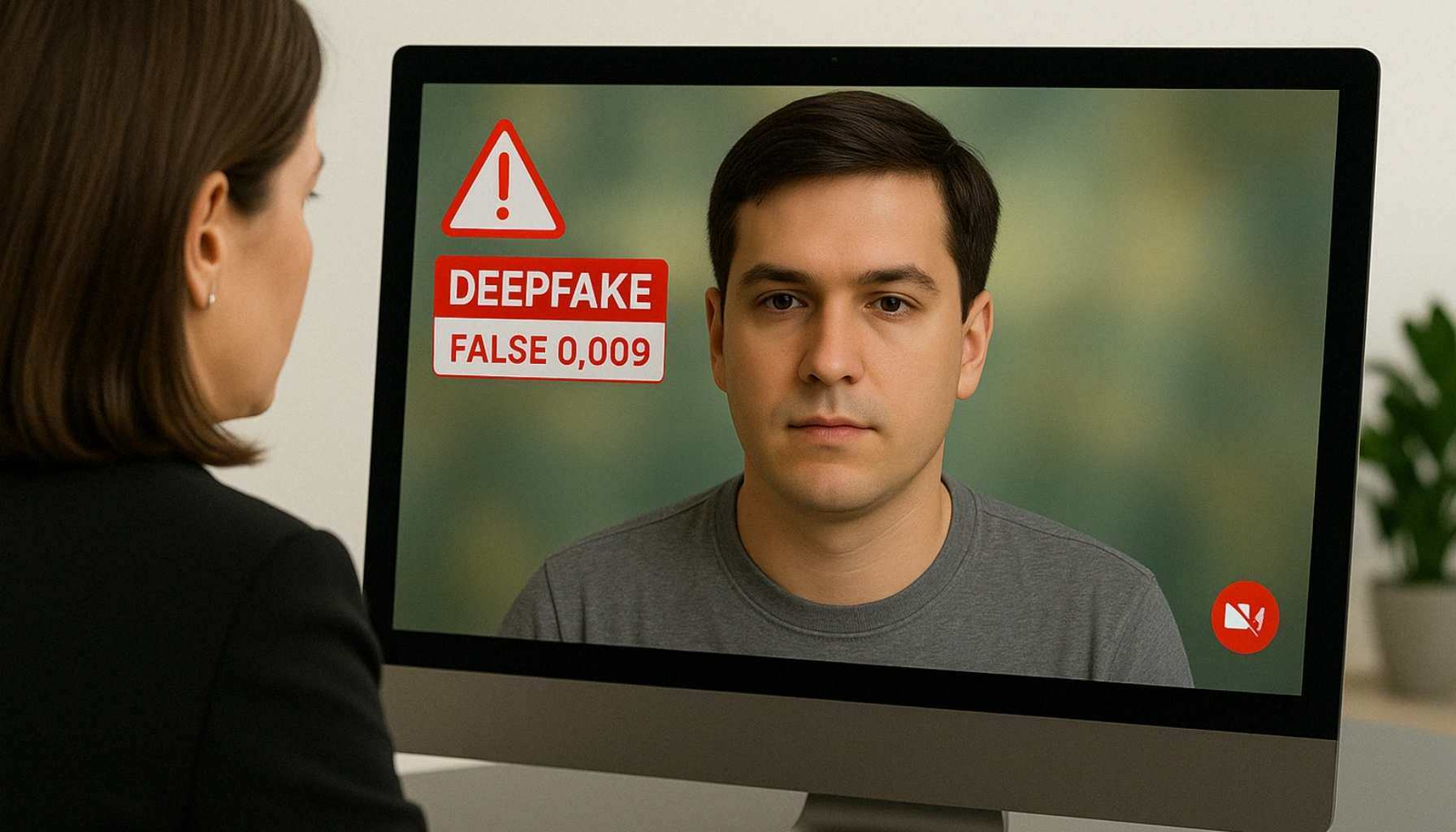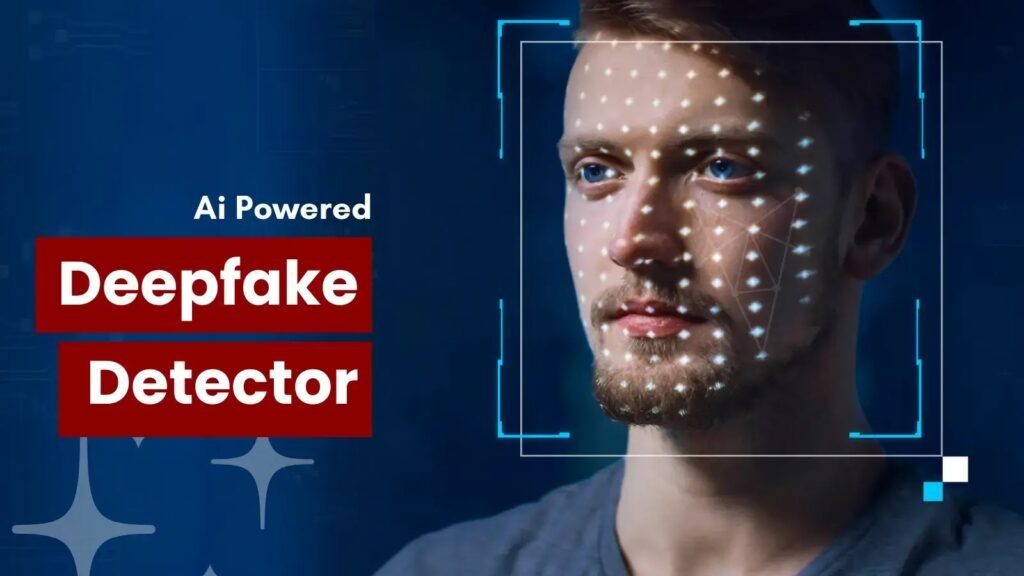
Powerful AI chatbots and image-generation tools from Google and OpenAI are facing growing scrutiny after users discovered ways to manipulate photos of women into highly realistic, revealing deepfakes. Online forums and private groups are increasingly sharing step-by-step prompts and techniques that exploit weaknesses in image-generation safeguards.
What makes the issue especially troubling is how easily everyday photos—often sourced from social media—can be altered. By combining AI chatbots with image generators, users are able to guide systems into producing manipulated images that resemble real people, blurring the line between fiction and reality. These altered images can be created without consent and with minimal technical skill, dramatically lowering the barrier to abuse.
Experts warn that such misuse amplifies risks of harassment, reputational harm, and psychological trauma, particularly for women. While AI companies maintain that their tools include safety filters and policies against sexualized or non-consensual imagery, users continue to find workarounds that bypass these protections.
The controversy highlights a broader challenge facing generative AI: rapid innovation has outpaced effective safeguards. As AI systems become more powerful and accessible, pressure is mounting on technology providers to strengthen guardrails, improve detection of misuse, and respond faster to emerging abuse patterns. Without stronger controls and accountability, critics argue, generative AI could deepen existing online harms rather than reduce them.