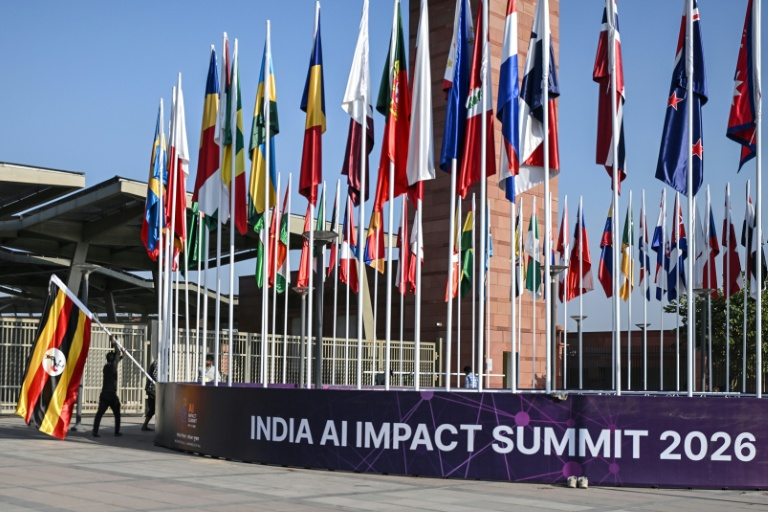
A controversy at the India AI Impact Summit has ignited debate after reports alleged that a robot showcased as an innovation linked to Galgotias University was originally sourced from China. The episode quickly drew reactions online, with several foreign social media handles mocking India’s claims of indigenous AI advancement.
The matter intensified when it was reported that a similar robot was also displayed by Wipro under the name “TJ Robot.” Critics argue that the core issue is not the use of imported technology—common in global supply chains—but the perception created when such hardware is presented in a national innovation showcase without explicit disclosure.
At an event branded around India’s AI ambitions and self-reliance, displays are naturally assumed to represent domestic innovation. Rebranding a foreign robotic platform as “Orion” and exhibiting it at a summit positioned as a milestone for Indian AI blurred the distinction between sourcing and original creation. The optics were amplified when Ashwini Vaishnaw shared video clips of the robot in the context of India’s sovereign AI push, reinforcing the impression of indigenous development.
As India aspires to technological leadership, especially amid strategic competition with China, transparency around product origin and intellectual ownership becomes critical. The controversy underscores a broader lesson: global collaboration is legitimate, but clarity is essential to protect credibility and the hard-earned reputation of startups building truly indigenous innovations from the ground up.