British Transport Police has begun deploying live facial recognition (LFR) technology at major transport hubs across London as part of a six-month trial, despite mounting criticism and an ongoing national policy debate.
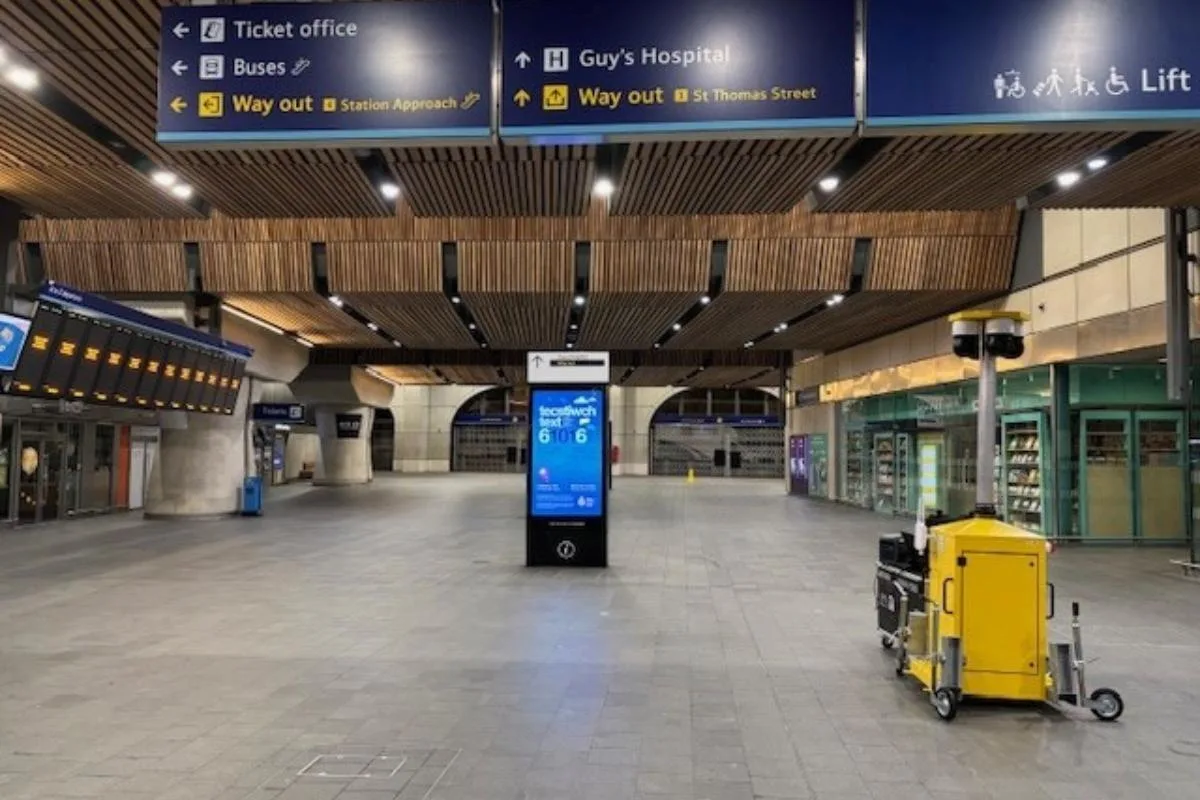
The first operation took place at London Bridge railway station on 11 February 2026. The force says future deployment dates and locations will be published online in advance.
Chief Superintendent Chris Casey, who oversees the project, said the initiative follows extensive research and is aimed at identifying individuals wanted for serious criminal offences. According to BTP, only people on a pre-approved watchlist can be flagged by the system. Images of individuals not on the database will be deleted immediately, and alternative routes will be available for those wishing to avoid the recognition zone.
The rollout comes as the Home Office’s 10-week public consultation on LFR regulation—ending 12 February 2026—was still underway. It also follows Home Secretary Shabana Mahmood’s announcement of sweeping policing reforms that include the largest expansion of facial recognition in UK history.
Civil liberties group Liberty, which successfully challenged police use of LFR in court in 2020, has urged the government to pause expansion until clearer safeguards are in place. In August 2020, the Court of Appeal ruled that South Wales Police had used LFR unlawfully due to insufficient limits on deployment discretion and watchlist criteria.
Critics argue the expansion undermines public consultation. Green London Assembly member Zoë Garbett said continuing deployments before consultation results are published “makes a mockery” of the process. She questioned claims that LFR is precise and warned of escalating biometric surveillance, calling for greater transparency on operational and financial costs.
The Home Office has acknowledged that the current legal framework for police facial recognition is fragmented and does not consistently provide public confidence.
BTP maintains that all deployments comply with existing legal and regulatory standards, supported by internal governance and independent ethics oversight. After the pilot concludes, the force says it will conduct a full review to assess outcomes and inform future planning.
Under the European Union’s Artificial Intelligence Act, live facial recognition by authorities is generally prohibited, permitted only in exceptional cases such as preventing imminent terrorist threats, and subject to strict legal and judicial safeguards.