A social media post highlighting a significant price difference between a direct restaurant bill and the same order on food delivery platform Zomato has sparked widespread discussion online.
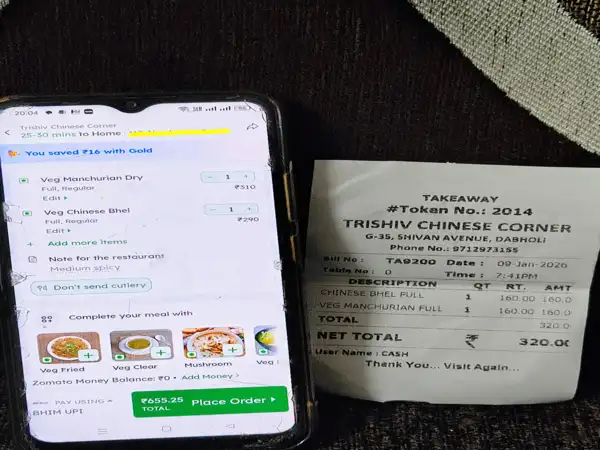
The user, Nalini, shared images comparing her restaurant receipt of ₹320 with a Zomato screenshot listing the same items for ₹655. After applying discounts, the final amount payable on the app was still ₹550. In her post, she criticized what she called "blatant overcharging."
Platform Shifts Responsibility
Zomato responded to the post, clarifying that menu pricing is set by restaurant partners, not the platform itself. The company stated it acts as an intermediary and offered to relay the feedback to the restaurant. "The prices on our platform are determined solely by our restaurant partners," the reply read.
Mixed Reactions from Users
The post ignited debate, with many users acknowledging similar experiences. Some pointed out that in-app menu prices are often uniformly inflated, regardless of whether the order is placed online or offline. "They ask restaurants to increase the markup by at least 30%," claimed one user.
Others defended the pricing model, citing operational costs. "Remember, Zomato is not here to do some sort of charity. They have to pay their riders, staff, and other costs. Convenience comes with charges," commented another.
Survey Reflects Consumer Sentiment
A recent survey by LocalCircles indicated that 55% of consumers believe prices on food aggregator apps are higher than direct restaurant prices. The survey gathered responses from over 79,000 consumers across India.
The conversation continues to underline the ongoing tension between the convenience of on-demand delivery and transparency in pricing for consumers.