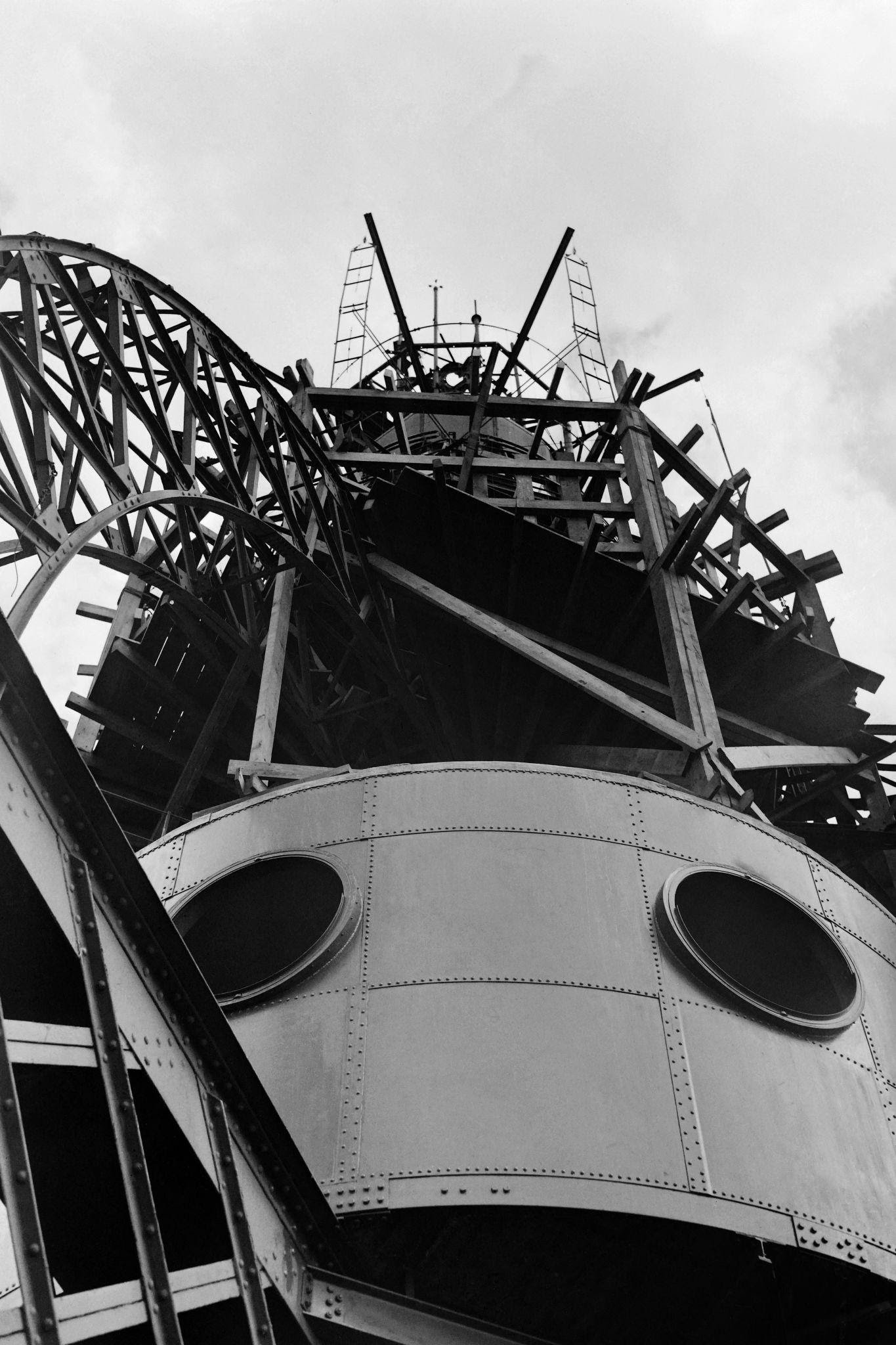
Often celebrated as a symbol of romance and engineering brilliance, the Eiffel Tower also played a quiet but decisive role in modern intelligence history.
When World War I erupted, the tower’s wireless station became a strategic military asset. French operators intercepted radio traffic moving across Europe, giving commanders precious insight into enemy intentions.
In 1914, signals intelligence helped French forces understand movements of the advancing German Army during the crisis that led to the Battle of the Marne. The information contributed to a rapid counter-attack that halted the offensive and altered the trajectory of the war.
In 1917, another interception proved even more dramatic. A coded transmission referencing “Operative H-21” was captured and deciphered. Authorities concluded it referred to Mata Hari, the famous dancer accused of spying for Germany. The intelligence strengthened suspicions already surrounding her activities.
Her arrest, trial and execution followed, making the case one of the most debated espionage episodes of the 20th century.
The episode cemented the Eiffel Tower’s legacy not just as an architectural icon, but as an early powerhouse of electronic surveillance — demonstrating how control of information can change history as profoundly as armies on the ground.