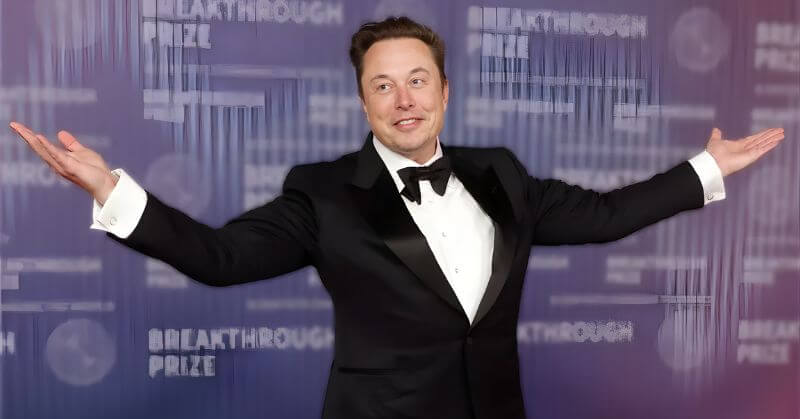
Elon Musk has become the world’s first individual to reach an estimated $700 billion net worth, marking an unprecedented milestone in modern financial history. The surge reflects the compounding impact of Musk’s holdings across multiple high-growth ventures, particularly in electric vehicles, space technology, artificial intelligence, and energy.
A significant driver of this valuation is the continued strength of Musk’s stake in Tesla, which has benefited from sustained demand for EVs, software-led margins, and progress in autonomous driving. Parallel momentum from SpaceX—driven by commercial launches, government contracts, and the expanding Starlink satellite network—has further boosted Musk’s wealth, underscoring the market’s confidence in space-based connectivity and launch services.
From an analytical standpoint, Musk’s $700 billion mark highlights a structural shift in wealth creation. Unlike traditional billionaires whose fortunes are tied to a single sector, Musk’s value is diversified across frontier technologies that shape long-term global infrastructure. Investor optimism around AI, reusable rockets, and clean energy has amplified valuations, rewarding founders who operate at the intersection of multiple disruptive domains.
However, such concentration also brings volatility. Musk’s net worth remains closely linked to market sentiment, regulatory developments, and execution risks across his companies. Sharp swings in technology stocks or policy changes could impact valuations rapidly.
Still, crossing the $700 billion threshold cements Musk’s status as a once-in-a-generation entrepreneur, illustrating how technology-driven ecosystems—rather than legacy industries—are now defining the upper limits of global wealth.