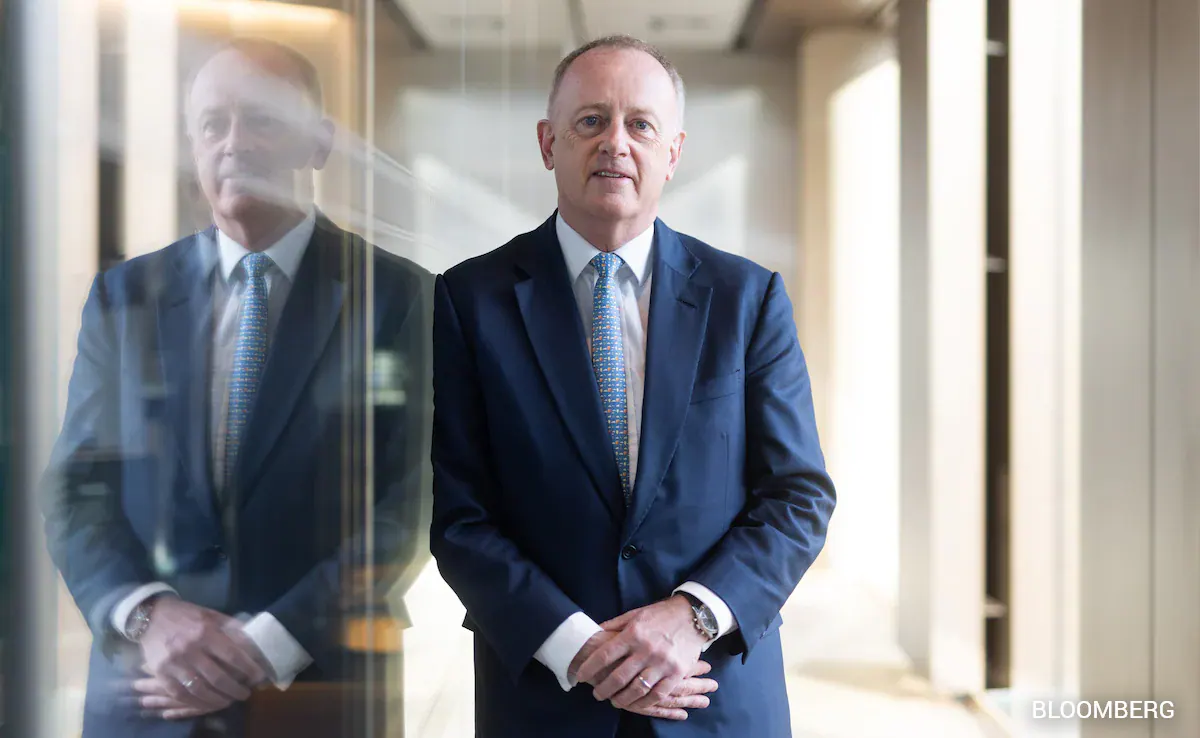
Former Lloyd’s of London CEO John Neal has reportedly lost a high-value job opportunity worth nearly ₹150 crore after allegations of an undisclosed office affair resurfaced. Neal, who stepped down from the 335-year-old insurance marketplace earlier this year, had been close to securing a senior leadership role at a major global financial firm. The offer was withdrawn after internal vetting intensified in response to media reports.
Neal had previously faced an internal inquiry at Lloyd’s relating to a relationship with a junior employee. Although the investigation resulted in no formal disciplinary action, concerns over transparency, ethics, and potential conflicts of interest became a decisive factor for the prospective employer’s board. Fearing reputational damage, the firm ended discussions.
The cancelled role would have been a major milestone in Neal’s career, with significant financial rewards and strategic influence. His disqualification has reignited debate on corporate ethics and executive accountability.
The case reflects a broader shift in modern corporate governance, where personal conduct is scrutinised as closely as professional performance. Companies—especially in regulated sectors—are tightening ethical expectations for senior leaders and prioritising integrity as a core leadership requirement.
It also highlights the rising importance of reputational due diligence, with boards conducting deeper background checks and behavioural reviews before making top-level appointments.