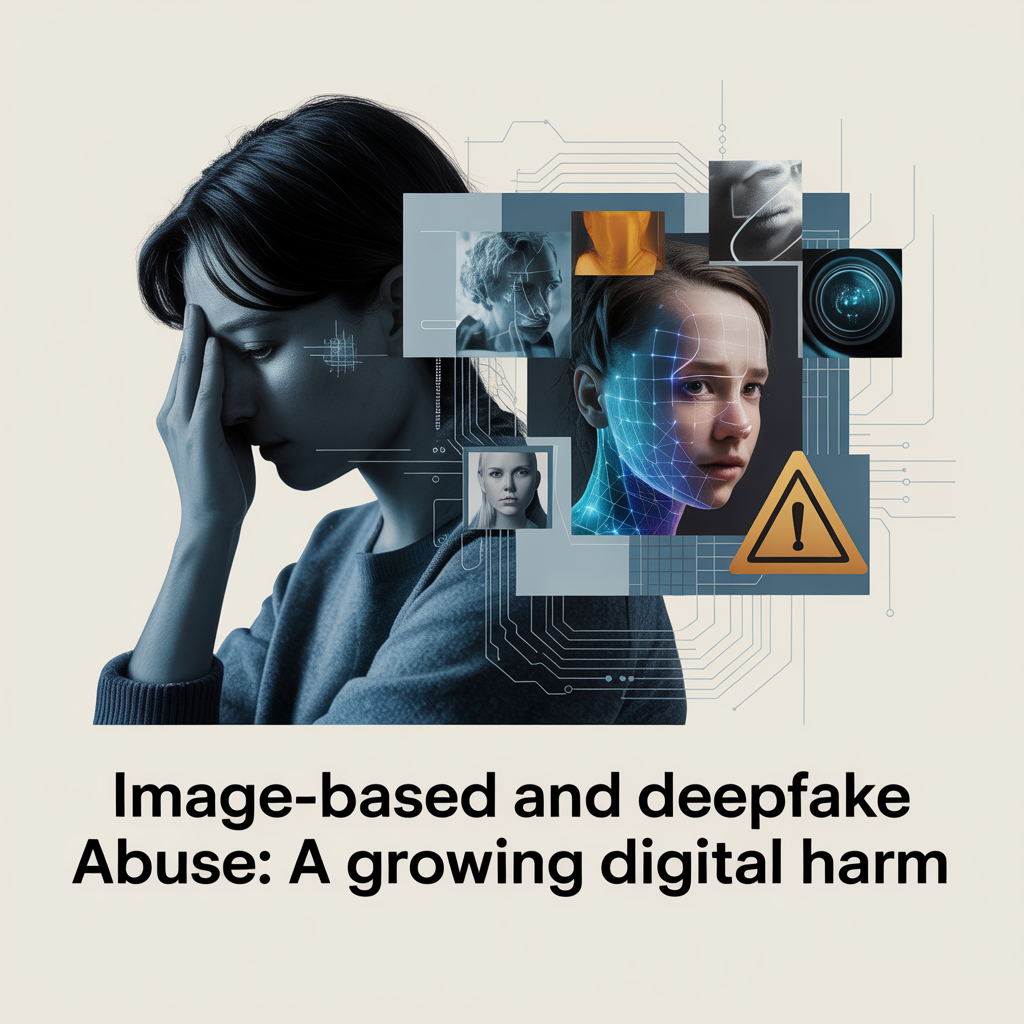
Image-based abuse has evolved into one of the most disturbing forms of online harm, intensified by the rise of artificial intelligence. At its core, the abuse involves sharing private or intimate images without consent, or creating sexually explicit content by morphing, splicing, or superimposing a person’s face onto another body using AI-generated deepfakes. These acts are often grouped under the term “revenge porn,” though the label understates the scale and severity of the crime.
What makes AI-driven deepfake abuse particularly dangerous is accessibility. Tools that once required technical expertise are now widely available, allowing almost anyone to generate realistic fake images or videos in minutes. Victims—most often women, but increasingly men and minors—can be targeted without ever having shared intimate content in the first place. Ordinary photos taken from social media are enough to create convincing sexualized deepfakes.
The impact goes far beyond embarrassment. Victims frequently suffer psychological trauma, reputational damage, professional harm, and social isolation. Deepfakes blur the line between truth and fabrication, forcing victims to “prove” their innocence in a digital environment that often assumes guilt by visibility. Once such content spreads, it is nearly impossible to fully erase, compounding long-term harm.
Legal and platform responses have struggled to keep pace. While many countries now criminalize non-consensual intimate imagery, enforcement is slow, cross-border jurisdiction is complex, and takedown processes are often reactive rather than preventive. Social media platforms rely heavily on user reporting, placing the burden of action on victims.
Experts argue that addressing this crisis requires a trust-by-design approach: proactive deepfake detection, content authenticity verification before publishing, stronger identity accountability, and faster legal remedies. As generative AI advances, protecting digital dignity is no longer optional—it is a foundational requirement for a safe and trustworthy internet.