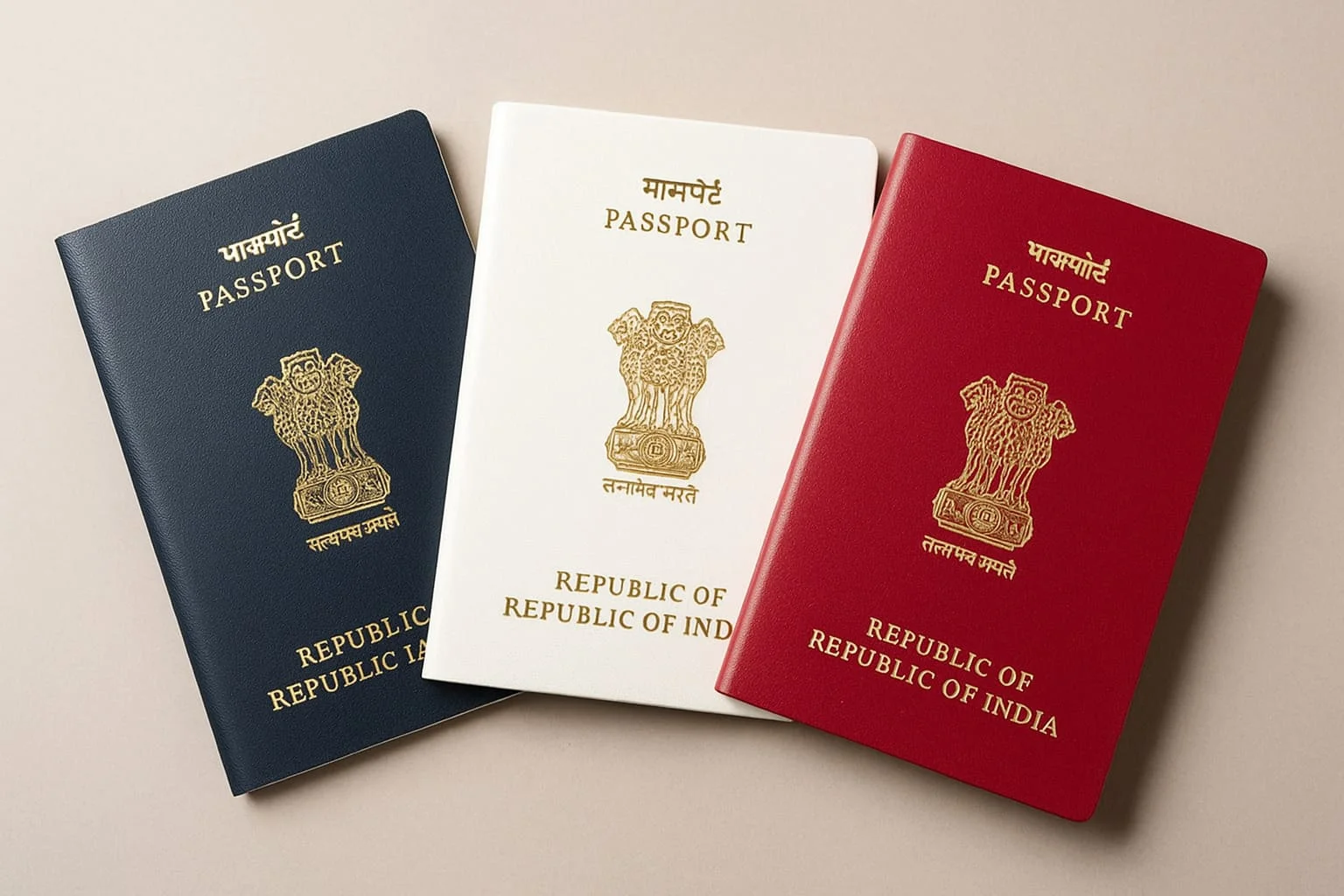
India has begun issuing smart e-passports, ushering in a major upgrade to the nation’s travel documentation system. These next-generation passports come embedded with a secure microchip and protected by Public Key Infrastructure (PKI), offering faster verification, stronger security, and seamless global compatibility.
Each e-passport features an RFID chip that stores the holder’s personal details, photograph, and biometric data. The PKI-enabled digital signature safeguards the information from tampering, making identity fraud, cloning, and counterfeiting far more difficult. Immigration systems can authenticate the passport within seconds, helping ease congestion at airports.
According to the Ministry of External Affairs (MEA), the e-passport will support automated border control and other advanced immigration systems, ensuring smoother movement for Indians traveling abroad. The new design fully complies with ICAO (International Civil Aviation Organization) standards, enhancing worldwide acceptance and interoperability.
The rollout will take place in phases, beginning with new applicants and individuals renewing their passports. To support the transition, the government has upgraded printing facilities, chip-encoding systems, and security infrastructure.
Beyond improving travel efficiency, the initiative bolsters national security by reducing document forgery, strengthening identity verification, and enabling better monitoring of international movement. The e-passport also aligns with India’s broader digital governance initiatives, including integration with DigiLocker and enhanced consular services.
With the introduction of smart e-passports, India joins a growing list of countries adopting advanced travel credentials—delivering quicker processing, improved protection, and a more secure travel experience for millions of citizens.