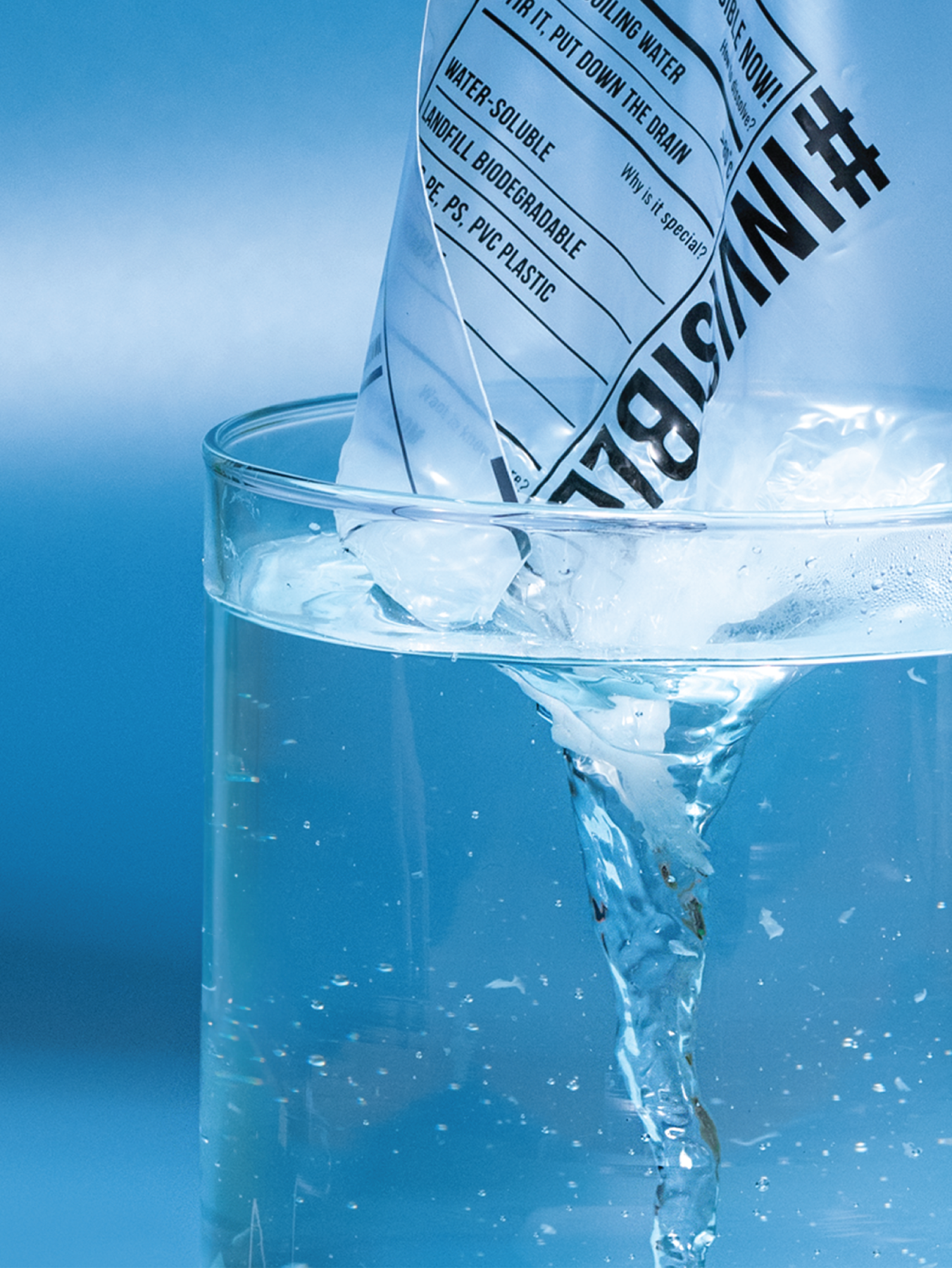
Researchers in Japan have unveiled shopping bags made from potato starch that can dissolve in water without leaving behind microplastics—a development many see as a breakthrough in the global effort to curb plastic pollution.
Unlike petroleum-based plastics that persist for centuries, these bags rely on plant-derived starch, a carbohydrate polymer that can be engineered into thin, flexible, and durable films. In daily use, they behave much like conventional carry bags: strong, stretchable, and practical for groceries. Chemically, however, they are fundamentally different.
When exposed to water, the material breaks down into harmless organic compounds rather than fragmenting into microscopic synthetic debris. That distinction is critical. Traditional plastics slowly degrade into particles that contaminate soil, waterways, food chains, and eventually human bodies. Starch polymers bypass that cycle entirely.
While no material is a perfect solution, experts say such innovations could sharply cut the volume of persistent waste entering rivers and oceans. Because they originate from renewable biomass, they also reduce dependence on fossil fuels.
Still, impact will depend on how responsibly these alternatives are produced, distributed, and disposed of. Scaling them without creating new agricultural or energy pressures will be key.
What excites scientists most is the rare balance between durability during use and rapid dissolution afterward. If costs align, potato-starch polymers could expand into food packaging, retail wrapping, and other everyday applications.
The idea is simple yet powerful: materials designed to serve us briefly, then safely disappear.