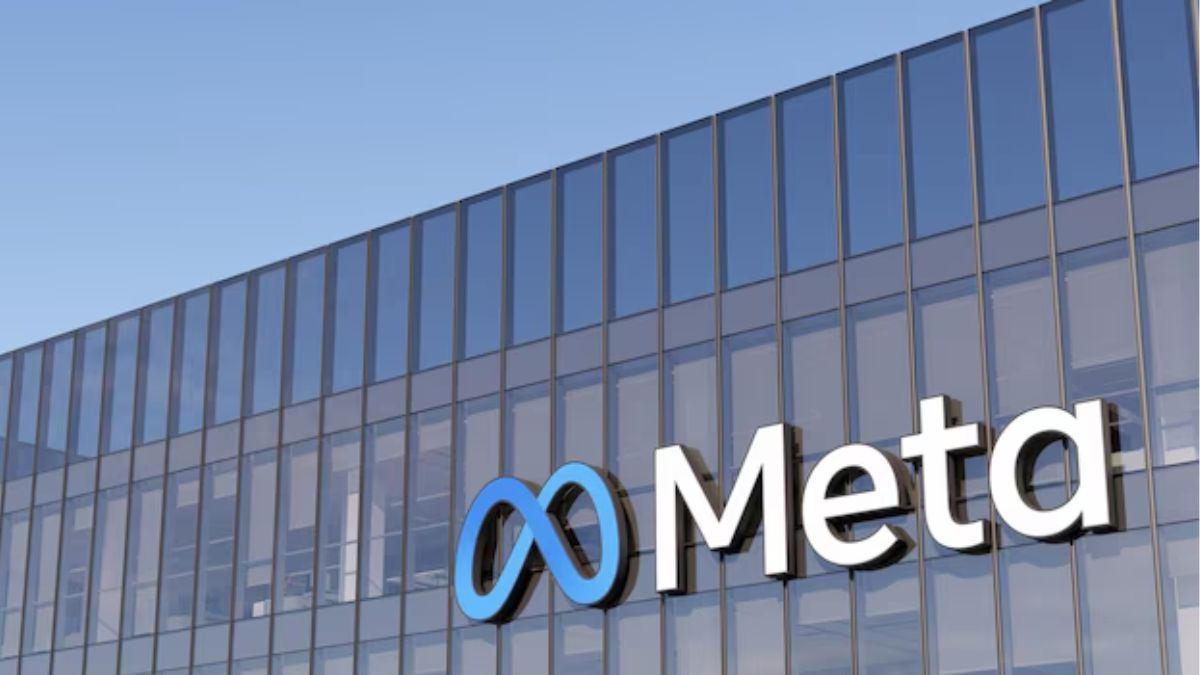
In a move that has surprised Silicon Valley, Meta has laid off approximately 600 employees from its Meta Superintelligence Labs (MSL)—the division leading the company’s most ambitious artificial intelligence initiatives. The decision follows months of unprecedented hiring and high spending under CEO Mark Zuckerberg’s vision to build “personal superintelligence” systems that surpass human cognitive abilities.
The layoffs were announced in an internal memo by Alexandr Wang, Meta’s Chief AI Officer and former Scale AI CEO, who joined earlier this year to reorganize the company’s AI operations. Wang described the restructuring as a necessary step to make the organization “more agile and talent-dense,” reducing decision-making bottlenecks and overlapping roles created during Meta’s aggressive AI expansion.
The job cuts predominantly affect legacy research, infrastructure, and AI product teams—particularly in the FAIR (Fundamental AI Research) and applied AI divisions—while the TBD Labs, housing Meta’s newest, high-profile recruits working directly on superintelligence projects, remains intact. Following the layoffs, MSL’s workforce now numbers around 3,000 employees, underscoring a strategic pivot from size toward efficiency.
Meta insists the restructuring is not a retreat from AI but a realignment to accelerate product development and computational efficiency. “This by no means signals any decrease in investment,” Wang emphasized, adding that the company continues to hire elite AI talent while streamlining internal operations.
The reorganization reflects mounting internal tension over budget allocation and resource competition between newer AI hires—often offered million-dollar packages—and long-time research teams. Sources indicate that redundancy within MSL’s overlapping subgroups slowed Meta’s progress on developing competitive large language models (LLMs) and infrastructure projects like the Hyperion Data Center, built with Blue Owl Capital in a $27 billion partnership.
Analytically, these layoffs highlight Meta’s balancing act between ambition and efficiency. The company’s AI race is intensifying against OpenAI, Anthropic, and Google DeepMind, yet investor concerns are rising about “AI bloat” and unsustainable spending amid broader market skepticism around the AI boom. By consolidating teams, Meta signals a shift toward disciplined execution—prioritizing focused innovation over broad experimentation, as it marches toward Zuckerberg’s ultimate goal: a globally distributed superintelligence platform capable of powering personal AI companions at scale.