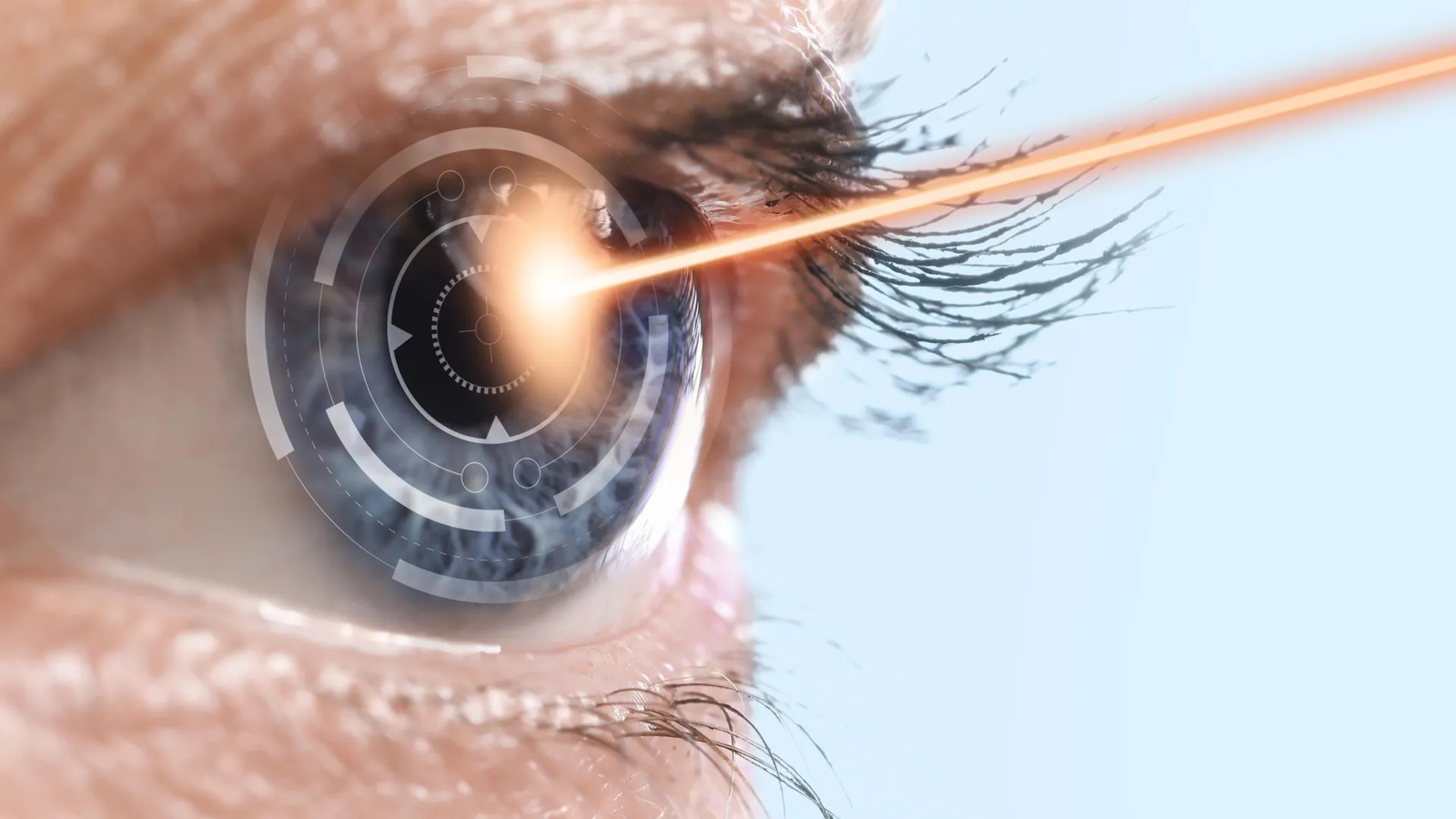
Scientists at Aalto University have developed a groundbreaking retinal laser treatment aimed at stopping the progression of dry age-related macular degeneration (AMD), a leading cause of blindness among older adults. Unlike traditional retinal lasers that burn tissue, this novel approach uses very low-energy, heat-modulated pulses to stimulate the eye’s natural repair and cleanup processes.
The therapy targets the retinal pigment epithelium (RPE) and Bruch’s membrane complex, delivering precise heat that triggers cell "housekeeping" functions such as clearing drusen deposits, improving metabolism, and remodeling the extracellular matrix—all without visible burns or damage.
This innovation marks a shift in retinal laser treatments from destructive photocoagulation to restorative photostimulation. The method incorporates real-time temperature monitoring by measuring electrical signals from retinal nerve cells, allowing precise control to avoid tissue harm.
Previous laser treatments like the Subthreshold Nanosecond Laser showed mixed outcomes, benefiting some patients but potentially harming others depending on the presence of specific retinal features. The new Finnish laser builds on this by being safer and more targeted.
Clinical trials are scheduled to commence in Finland in spring 2026, with a three-year timeline to potential availability pending successful results. Patients currently have no approved laser options for dry AMD; clinical trials offer the safest access point.
Meanwhile, existing care focuses on risk factor management such as smoking cessation and nutritional supplements, and prompt treatment of wet AMD with anti-VEGF injections once detected.
Phenotype-specific considerations are vital in this emerging field as indiscriminate laser use may be counterproductive. Regulatory approval remains challenging due to complex endpoints in intermediate AMD.
The new laser treatment is part of a credible trend toward non-damaging, regenerative retinal therapies, offering hope of slowing or stopping vision loss in dry AMD patients over the long term.