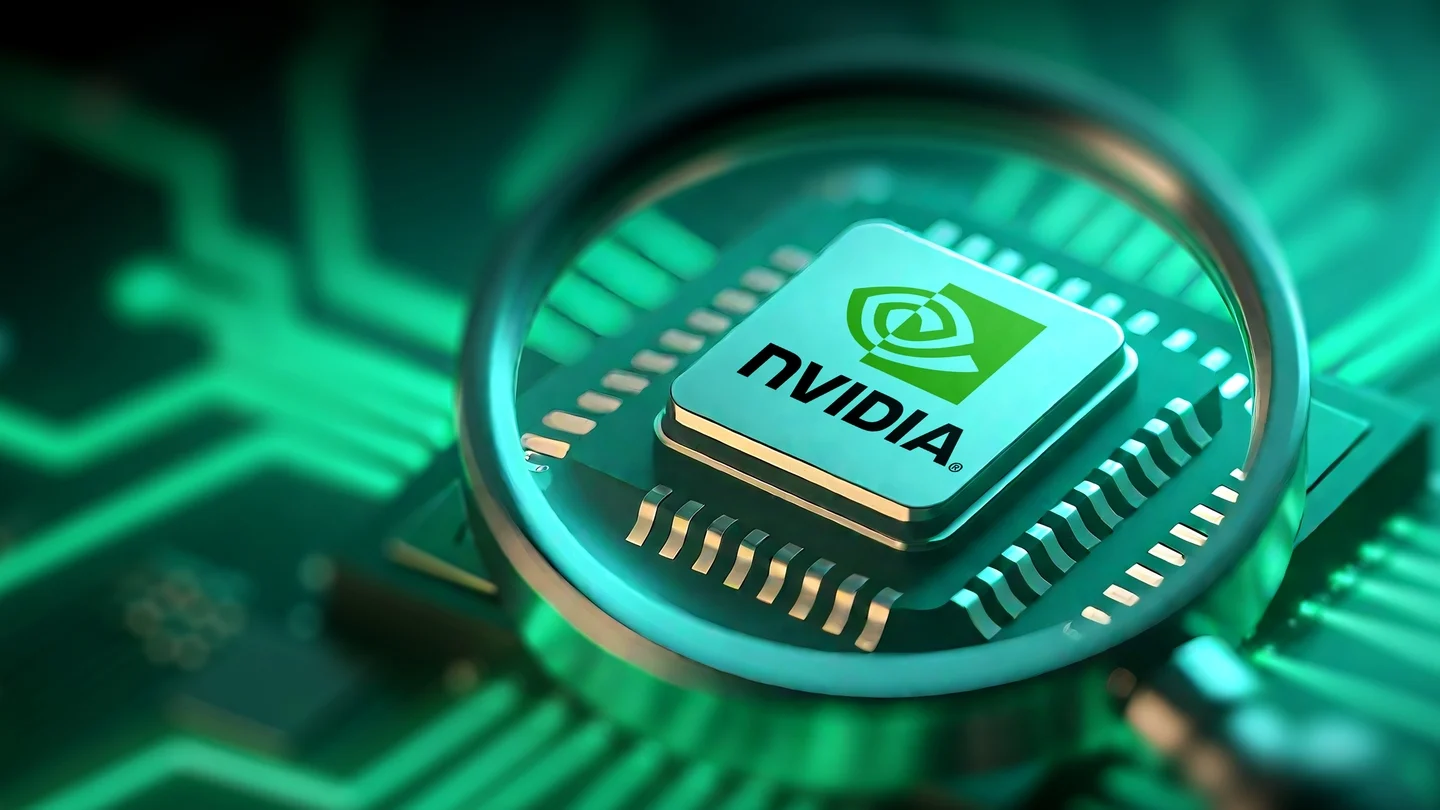
With U.S. President Donald Trump approving exports of Nvidia’s advanced H200 AI chips to China, the global AI hardware race has surged back into the spotlight. The decision marks a major shift in U.S. export policy and has triggered strong reactions across technology, geopolitical, and financial markets.
The H200—one of Nvidia’s most powerful AI accelerators—offers significant improvements in memory bandwidth and model-training capabilities, making it highly sought after for generative AI, autonomous systems, and large-scale data-center workloads. China, which has been restricted from acquiring Nvidia’s top-tier processors under earlier U.S. regulations, is now poised to regain partial access to cutting-edge AI infrastructure.
Industry analysts say the export approval could reshape global AI competition. Chinese companies, previously relying on downgraded chips or domestic alternatives, may accelerate development of large AI models and enterprise AI deployment. Meanwhile, U.S. semiconductor firms stand to benefit from renewed demand, easing financial pressures caused by tightened export limits.
However, the move also raises strategic concerns. Critics warn that granting access to high-performance chips could enhance China’s military AI capabilities and weaken the effectiveness of past sanctions. Supporters argue that controlled exports preserve American influence while preventing China from rapidly scaling its domestic semiconductor ecosystem.
With geopolitical rivalry intensifying and AI capabilities becoming a cornerstone of national power, the approval of Nvidia’s H200 exports highlights how technology decisions are increasingly intertwined with global strategy and economic diplomacy.