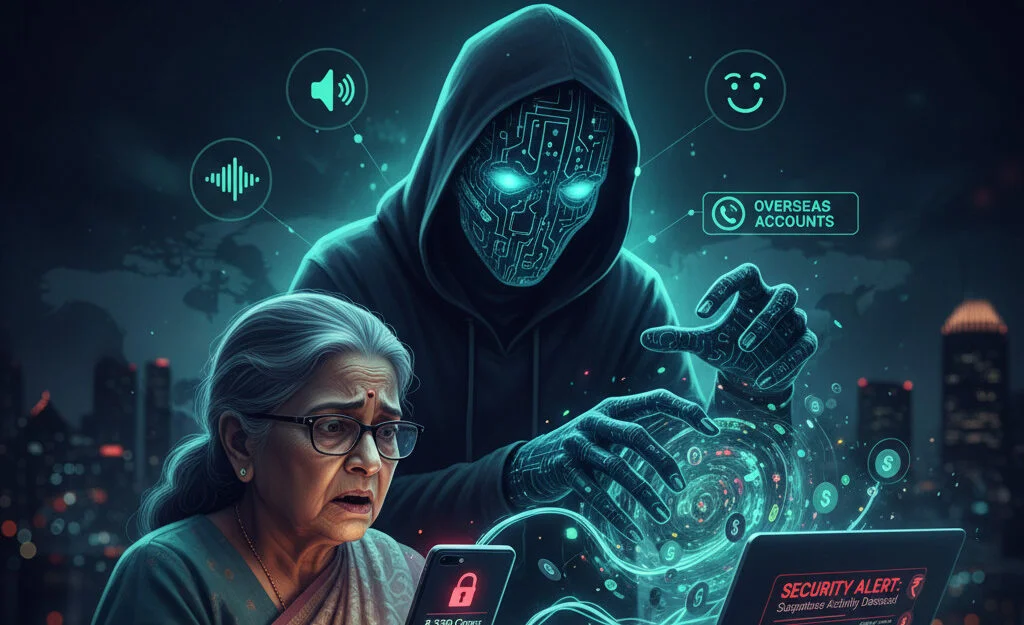
A fast-spreading global cybercrime operation known as the “Phantom Hacker” scam has siphoned off more than ₹8,350 crore (US$1 billion) from elderly victims in just one year, with the majority of cases reported in the United States. Criminals impersonate tech support staff, bank officials, and even government agents to convince victims that their accounts or devices are under attack.
The scam operates in three calculated stages. It begins with fake pop-ups or alerts warning of security breaches. Victims are then coerced into installing remote-access software, supposedly for protection, but which secretly gives scammers full control of their device. In the final stage, fraudsters pose as government authorities and claim the victim’s bank is compromised, urging them to “secure” their money by transferring funds to an account controlled by the criminals.
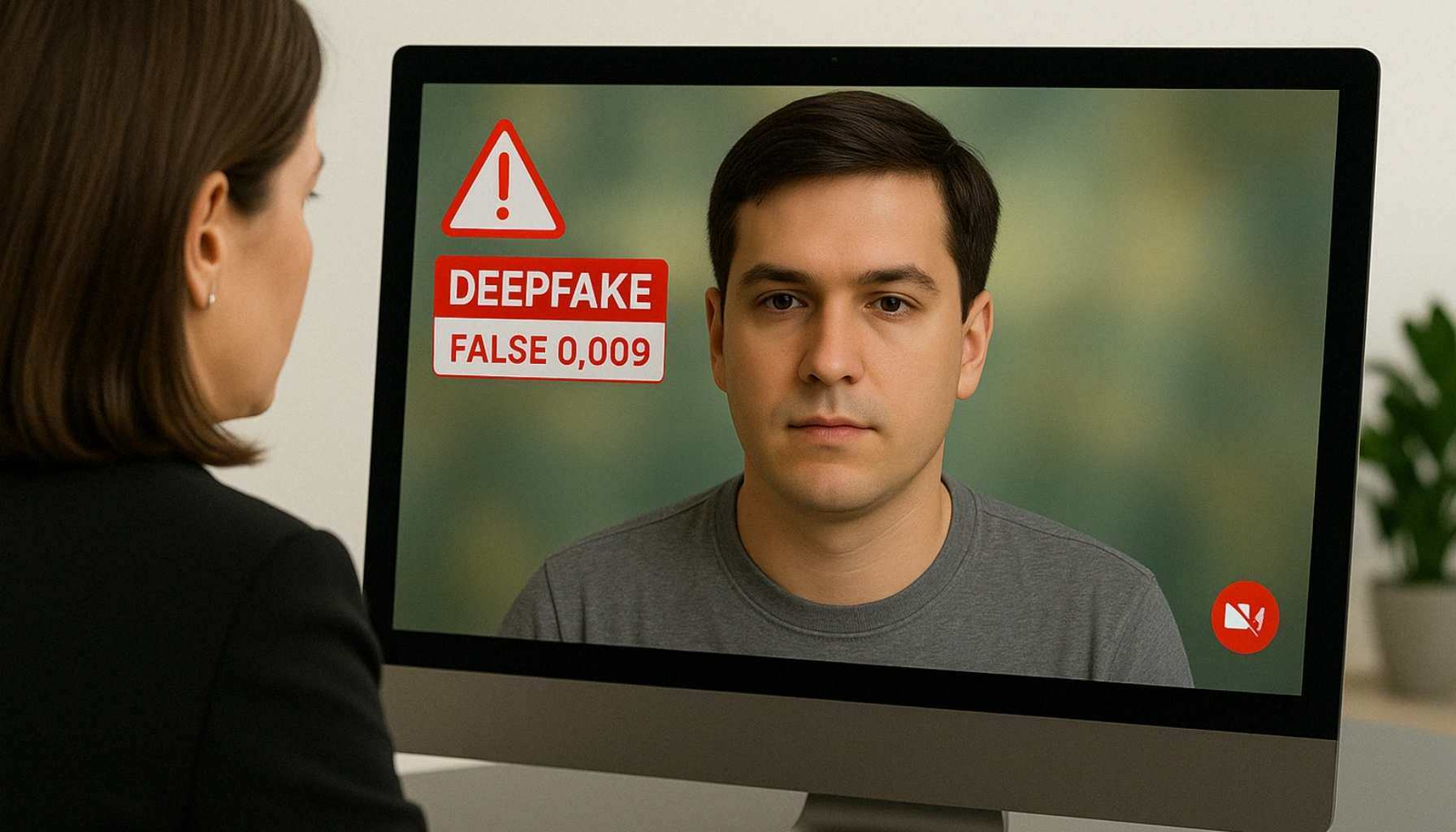
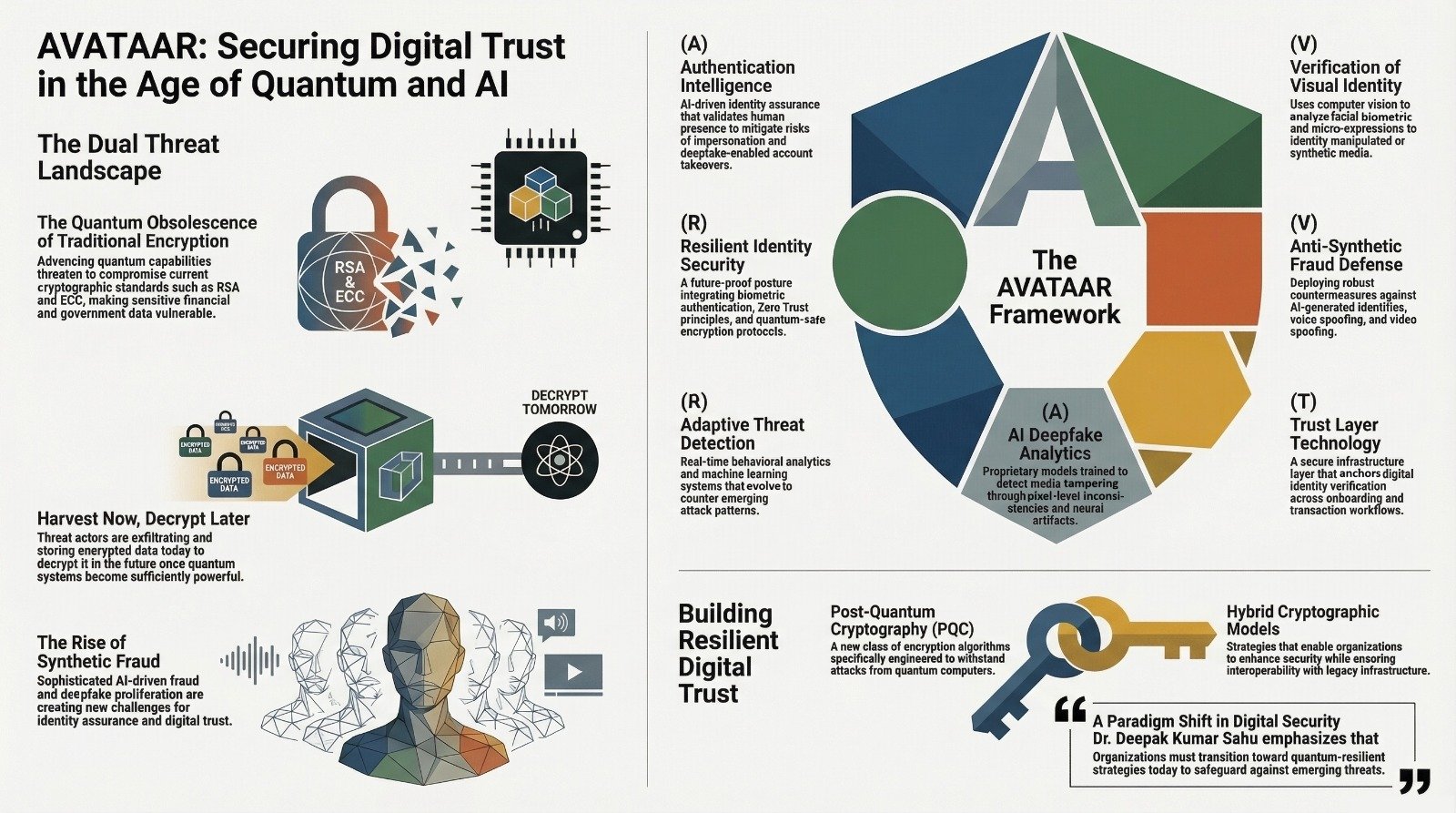
Seniors above 60 are the primary targets due to limited digital awareness and the emotional pressure created by urgent-sounding instructions. The rise of AI has intensified the threat: voice cloning, spoofed caller IDs, and deepfake documents allow scammers to appear highly credible, contributing to a 600% surge in AI-driven fraud in the past year.
Expert says, today’s criminals exploit human psychology more than technology. He reiterates that legitimate institutions never request money transfers or remote access over unsolicited calls or emails. Suspicious communications must always be verified directly.
The Phantom Hacker scam underscores how digital innovation can fuel sophisticated deception. Strengthened awareness, digital literacy, and prompt reporting are essential to protect vulnerable individuals from these evolving cyber threats.