India’s proposal to mandate SIM binding for over-the-top (OTT) communication platforms is being positioned as a key step to curb rising digital fraud and strengthen national security. Union Minister for Communications and Electronics & IT Jyotiraditya Scindia said the move will close a critical loophole exploited by fraudsters, anchoring digital accounts to verified telecom identities and enabling better traceability for law enforcement.
The initiative comes amid a surge in phishing, “digital arrest” scams, impersonation, and account takeovers conducted via messaging apps. Under the framework, OTT accounts would remain actively linked to a valid SIM, with measures such as automatic logout when SIMs are changed or deactivated, reducing anonymity and misuse.
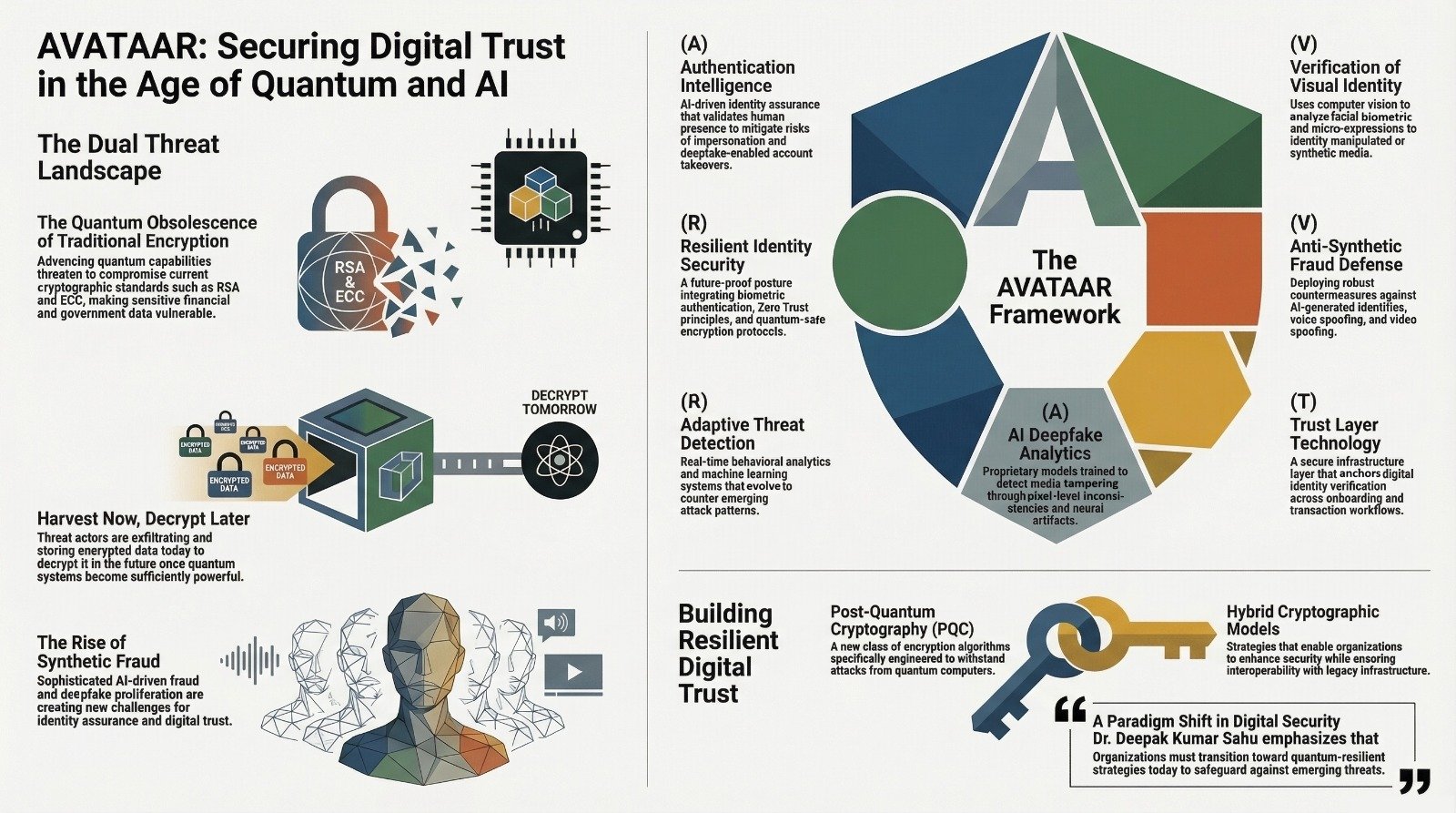
However, experts caution that SIM binding alone is insufficient. Dr. Deepak Kumar Sahu, Founder of FaceOff Technologies, noted that telecom verification must be complemented by device- and user-level authentication, including liveness detection, device fingerprinting, and real-time deepfake detection. Combined with operator-side analytics and AI-driven fraud detection, these layers can significantly strengthen trust while limiting sophisticated cybercrime.
While industry bodies welcome the move for creating regulatory parity, privacy advocates stress the need for strong safeguards around consent and data protection.