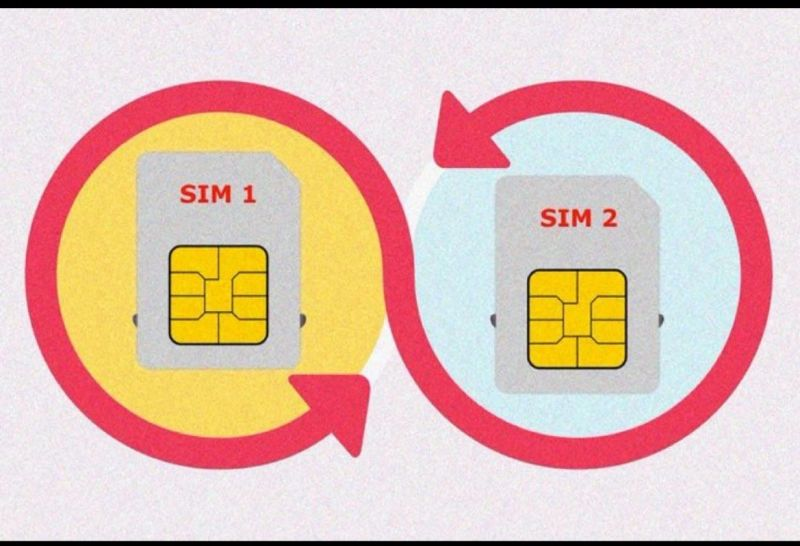
India’s battle against the surge in “digital arrest” fraud is entering a decisive stage, with policymakers evaluating whether messaging identities should be firmly tied to verified SIM ownership.
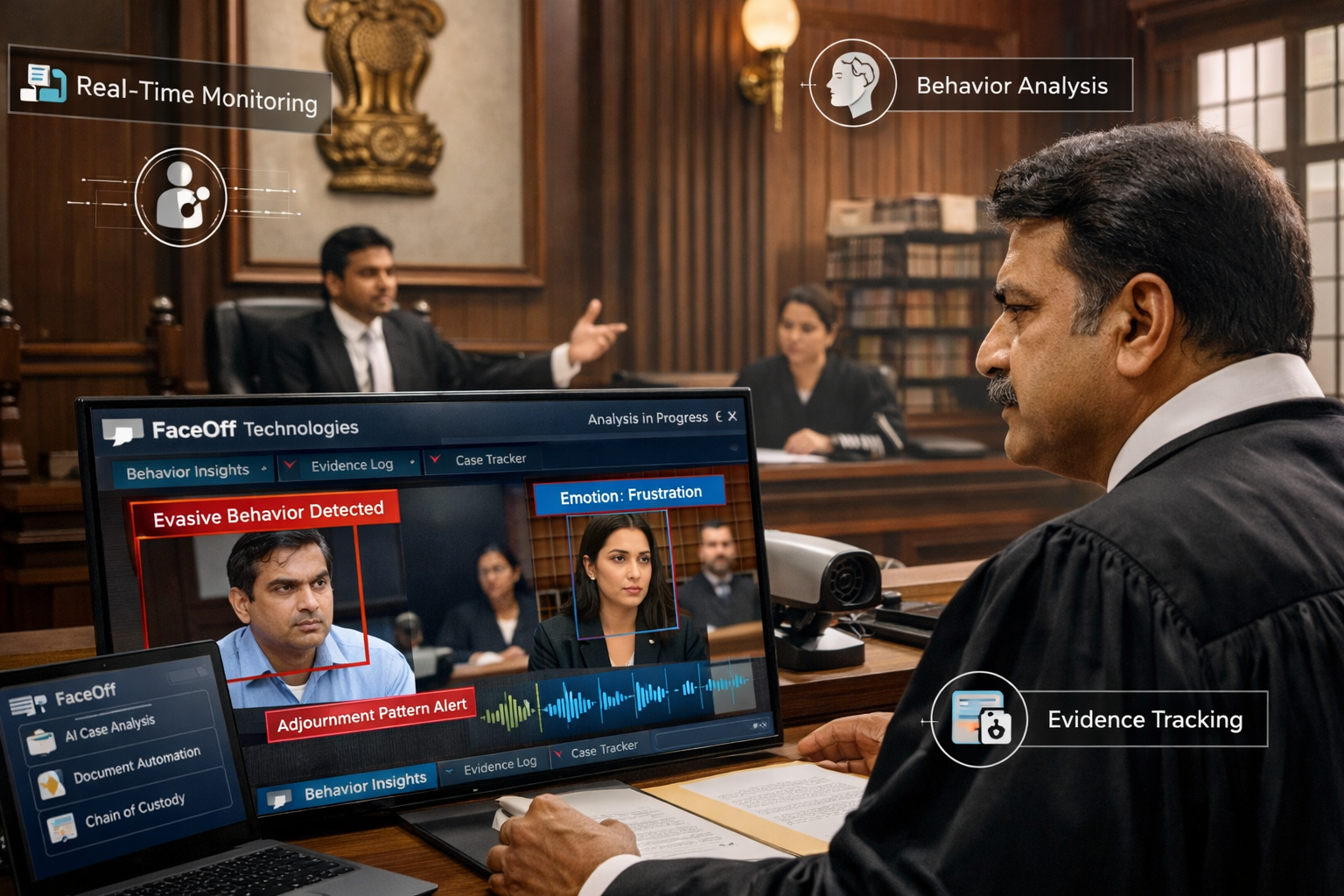
Investigators say criminals exploit anonymity on platforms like WhatsApp, posing as police or regulators through video calls and fabricated notices. Victims, intimidated by authority and urgency, often transfer money before realizing they have been deceived.
Authorities believe that linking accounts to subscriber databases could dramatically enhance traceability and deter misuse. The intent, they argue, is not surveillance but to prevent fraudsters from creating throwaway identities and disappearing after extortion. The move complements wider coordination among telecom operators, banks and law enforcement to freeze suspicious numbers faster and reduce response times.
Yet many cybersecurity professionals say attribution alone may not match the industrial scale of today’s fraud networks.
Experts advocate Secure Access Service Edge (SASE), which embeds security directly into telecom infrastructure. Instead of depending on protections installed on individual devices, traffic would pass through network-level inspection points before reaching the open internet.
At these gateways, threats can be filtered in real time—malicious links blocked, suspicious behavior flagged, malware intercepted, and unauthorized connections denied. Even poorly secured devices benefit because the protection sits within the carrier network itself.
India therefore faces a strategic choice: improve post-incident traceability through identity binding, or prevent attacks upstream through intelligent network controls. As digital adoption deepens, the right answer may ultimately blend both.