In a deeply alarming instance of digital abuse, Sripada has reportedly become the target of sustained online harassment involving threats of circulating morphed nude images and explicit death threats against his children. The case highlights how cyber intimidation is evolving into a serious criminal threat, using technology to psychologically terrorise victims and attempt to silence them.
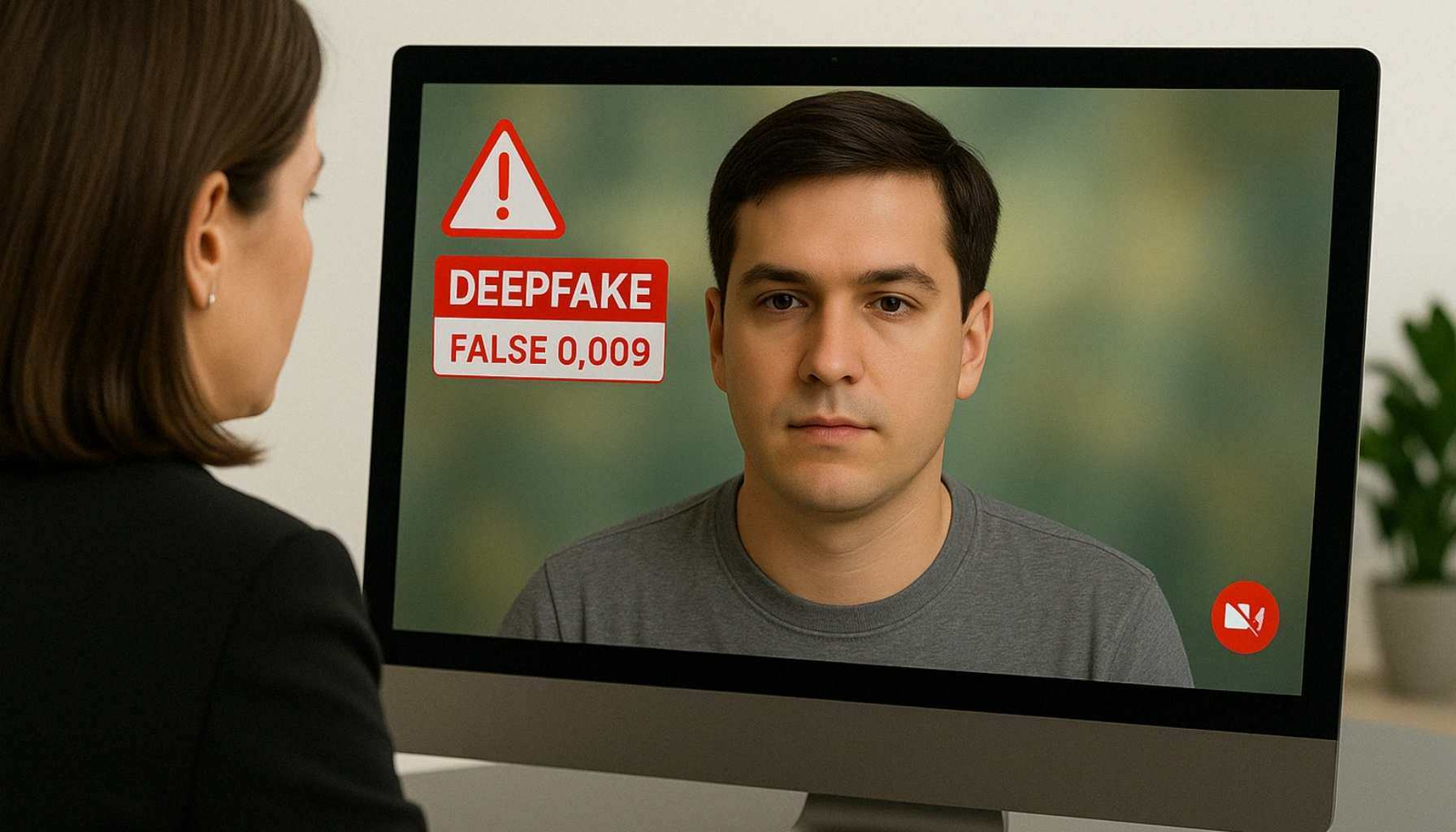
According to reports, the perpetrators warned Sripada that fabricated nude images would be made public while simultaneously issuing messages threatening harm to his family. The use of morphed and manipulated images—often created using easily accessible AI tools and editing software—points to a disturbing trend where synthetic media is weaponised for blackmail and coercion. Such acts go beyond defamation, inflicting severe emotional trauma, particularly when children are dragged into the intimidation.
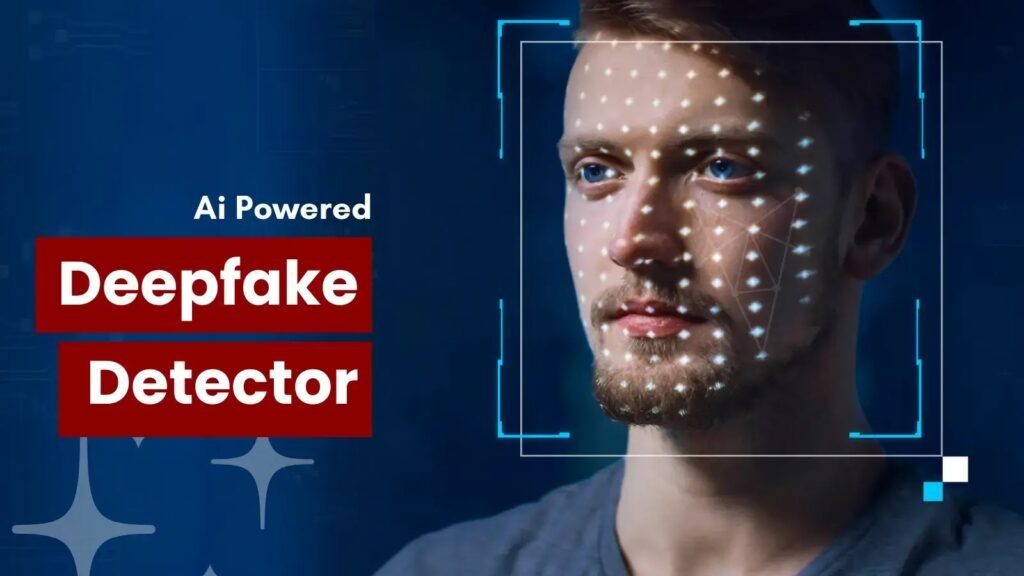
The incident underscores growing concerns around deepfake-enabled harassment, where the boundary between online trolling and organised cybercrime is rapidly dissolving. Digital anonymity, encrypted platforms, and viral reach enable attackers to act with relative impunity, leaving victims vulnerable to reputational damage, fear, and prolonged psychological stress.
Legal experts note that while existing laws address criminal intimidation, cyberstalking, and obscenity, enforcement remains challenging. Jurisdictional complexities, delays in reporting, and difficulties in preserving digital evidence often slow investigations. The case reinforces the urgent need for faster cybercrime response mechanisms, specialised investigation units, and stronger accountability from digital platforms.
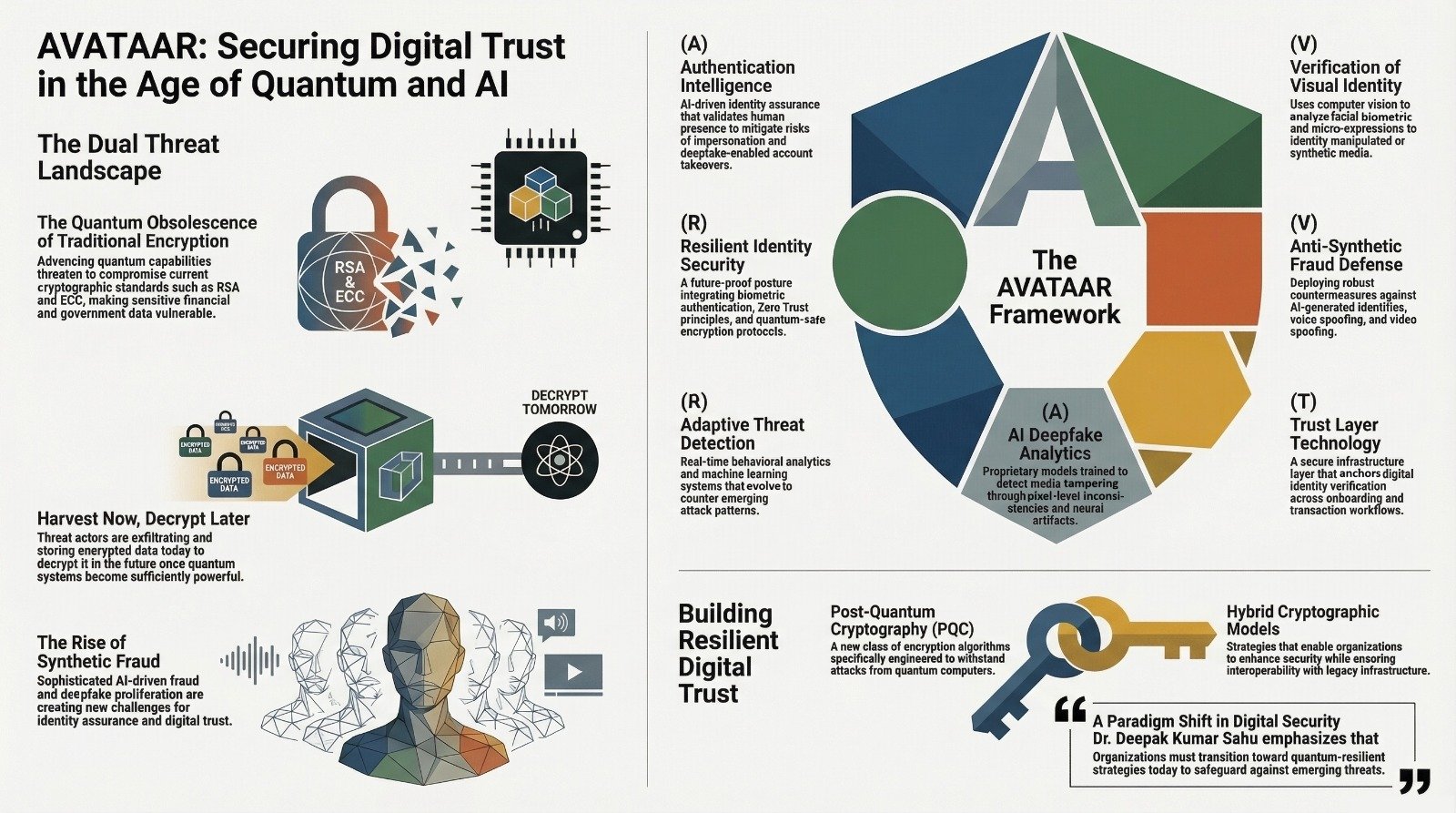
Beyond legal considerations, the episode raises a critical societal concern: technologies designed to empower expression and connectivity are increasingly being misused to intimidate and harm. As AI-driven manipulation becomes more accessible, safeguarding dignity, privacy, and personal security in the digital space is no longer optional—it is an urgent necessity.