On February 20, 2026, the U.S. Supreme Court delivered a major constitutional rebuke to President Donald Trump, ruling 6–3 that his administration exceeded its authority by using the International Emergency Economic Powers Act (IEEPA) to impose sweeping global tariffs. The Court affirmed that the authority to levy customs duties belongs exclusively to Congress, not the executive branch
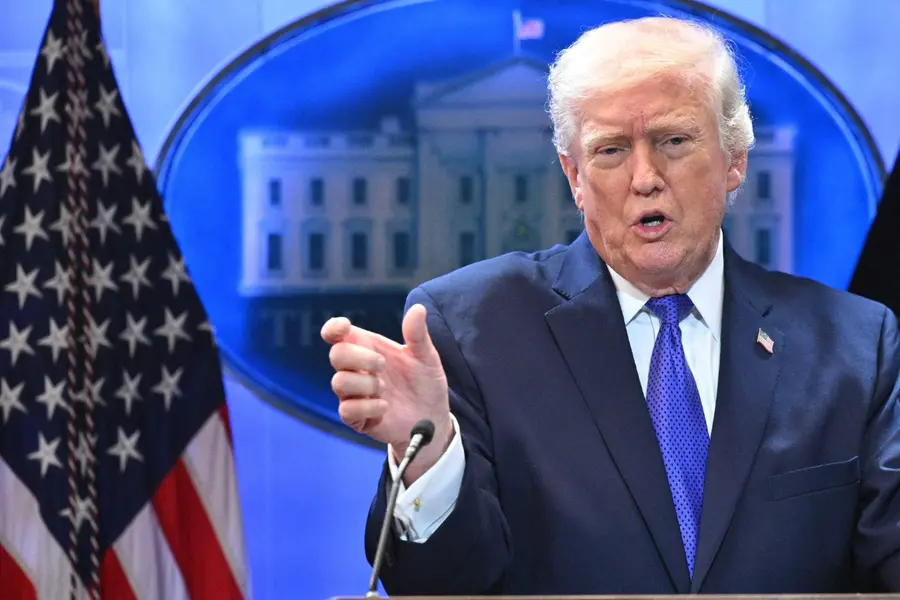
The President’s Pivot Following the decision, President Trump condemned the Court’s ruling as "ridiculous" and "anti-American," labeling the dissenting justices as "fools and lapdogs." Hours later, he signed a new executive order invoking Section 122 of the Trade Act of 1974, which allows for temporary import surcharges to address balance-of-payments deficits. While the administration initially announced a 10% global tariff, the President subsequently moved to increase this rate to 15%. This new mechanism is legally capped at 150 days unless extended by legislative action.
Global and Expert Reaction
Emmanuel Macron: The French President welcomed the Court's ruling, stating, "It is not bad to have a Supreme Court and, therefore, the rule of law. It is good to have power and counterweights to power in democracies." Macron urged caution regarding the impact of the new Section 122 tariffs, emphasizing the need for reciprocity in international trade.
Legal Scrutiny: While specific reports regarding Gita Gopinath’s stance on Neal Katyal in this precise context were not corroborated, the legal community widely viewed the Supreme Court case as a critical test of constitutional boundaries. The ruling successfully invalidated the executive branch's broad use of emergency powers, forcing a shift in how the administration manages its trade agenda.
This legal confrontation marks a defining moment for the limits of presidential power. By bypassing the Supreme Court's ruling through Section 122, the administration is prioritizing tactical agility over long-term structural trade policy. However, this shift leaves markets and international partners in a state of continued uncertainty. The move effectively trades the longevity of the previous "IEEPA-based" regime for a high-stakes, short-term economic standoff that will likely necessitate further legal and legislative navigation in the coming months.