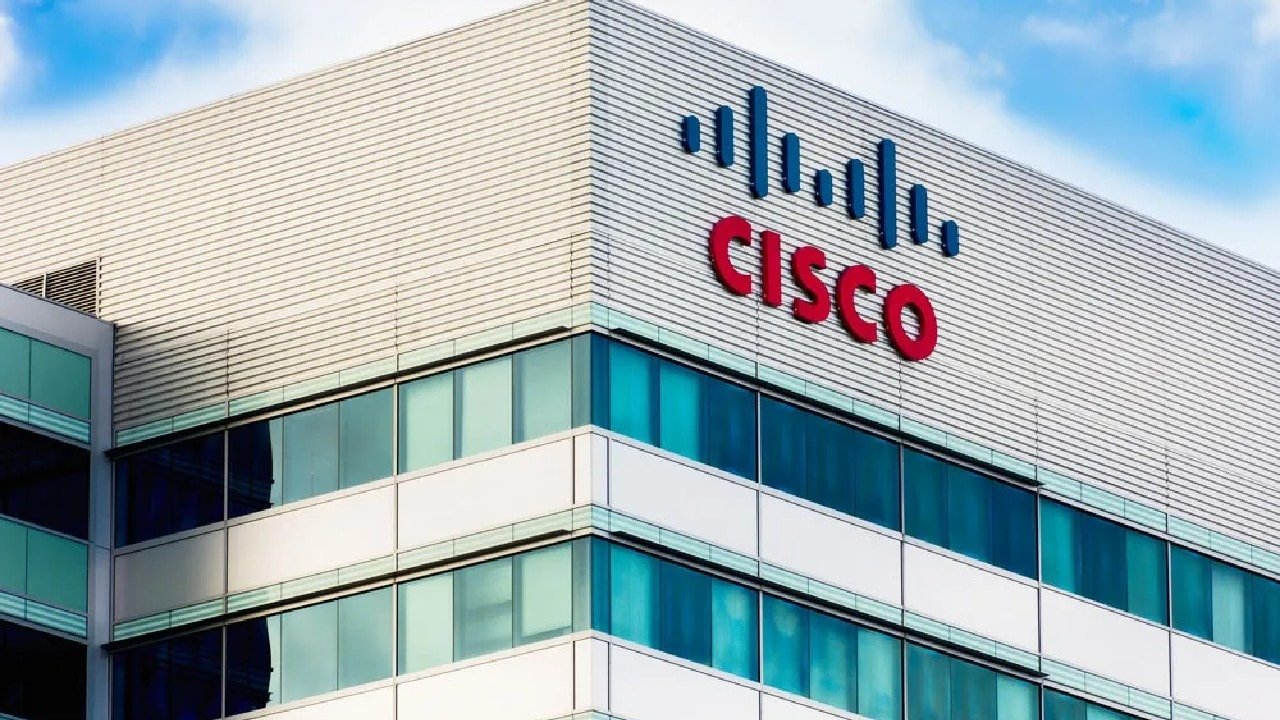
NEW DELHI: State-owned Telecommunications Consultants India Limited (TCIL) has blacklisted Cisco Systems from participating in its future tenders for a period of two years, alleging unfair, exclusionary, and anti-competitive conduct linked to the Karnataka State Wide Area Network (KSWAN) 3.0 project. Cisco, in response, said it is in discussions with the public sector undertaking (PSU) and continues to comply with all applicable Indian laws and regulations.
The action follows a dispute arising from a tender floated by the Karnataka Centre for e-Governance to appoint a system integrator for KSWAN 3.0, a strategically important programme aimed at providing statewide network connectivity to Karnataka government offices, along with five years of operations and maintenance services. The bid submission deadline was January 14, 2026.
In a letter dated January 14, 2026, addressed to Trideeb Roy, Managing Director (Public Sector), Cisco India & SAARC, TCIL alleged that Cisco’s conduct undermined fair competition and effectively sabotaged TCIL’s bid. While the ban applies to all future TCIL tenders, bids, and procurement processes for two years, existing contracts and ongoing projects involving Cisco will not be impacted.
According to TCIL, it approached Cisco Systems India on December 18, 2025, seeking routine vendor support required for government procurement, including technical compliance documents, product datasheets, solution inputs, and the mandatory Manufacturer Authorisation Form (MAF). TCIL claimed that despite repeated follow-ups and awareness of the deadline, Cisco failed to provide the required documents within stipulated timelines.
TCIL further alleged that at the final stage of bid submission, Cisco attempted to impose “extraneous conditions,” which it said were inconsistent with past engagements. The PSU noted that no such conditions were imposed by Cisco in earlier projects with the Indian Coast Guard, the Indian Air Force’s AFNET, or Punjab & Sind Bank, suggesting an intentional attempt to derail its participation in the KSWAN 3.0 tender.
The episode also reflects broader challenges faced by legacy global technology vendors like Cisco, which was once regarded as a dominant force in networking. Today, it faces intensifying competition and scrutiny amid slower innovation and rapid advances by rivals in network security, data security, data privacy, and AI-driven threats such as deepfakes.
Responding to the development, a Cisco spokesperson said that, the company remains engaged with TCIL and focused on delivering industry-leading products and services in India. The standoff highlights rising friction between global vendors and Indian public sector entities, as procurement processes become more stringent and accountability-driven in strategically critical digital infrastructure projects.