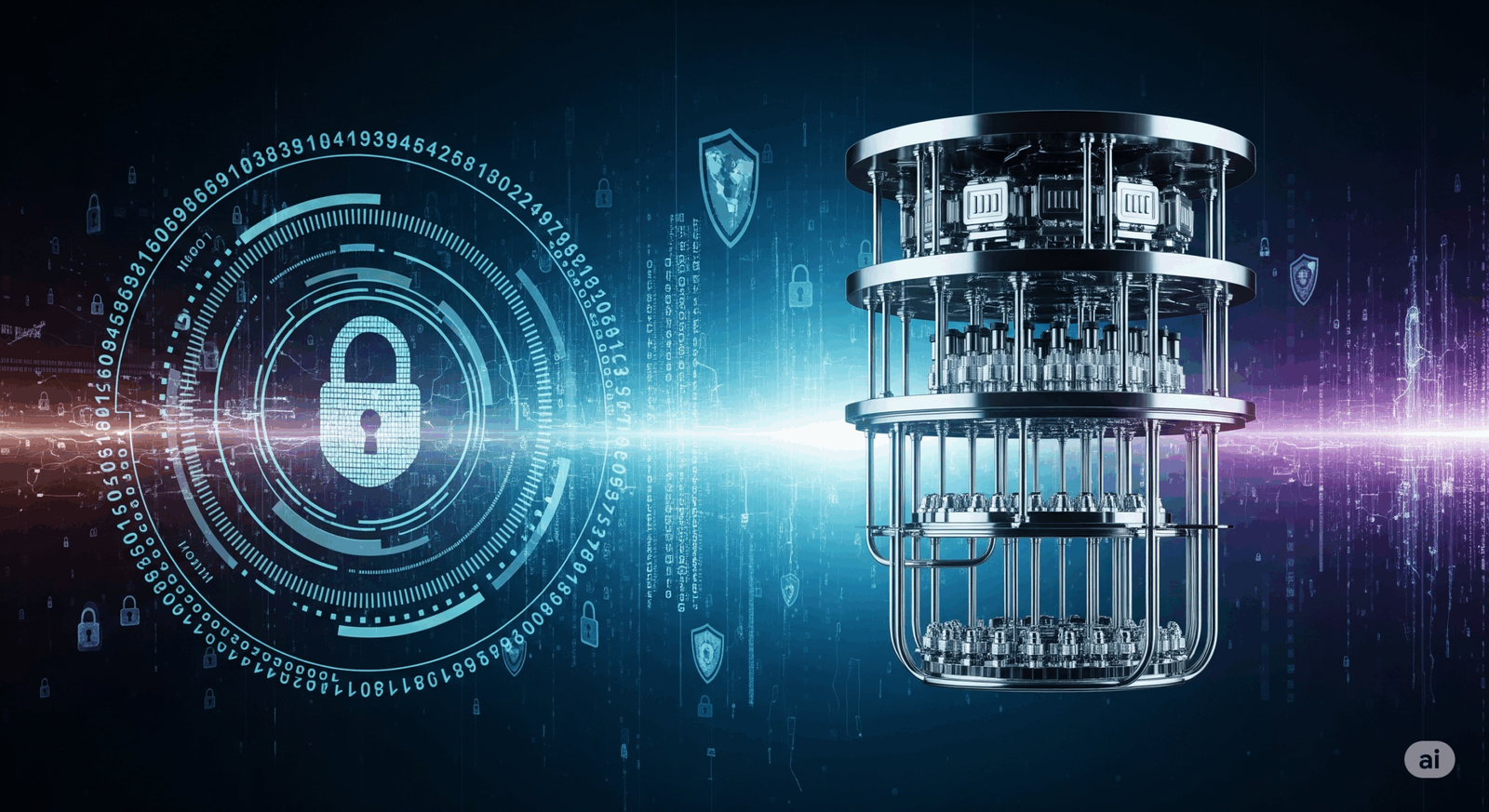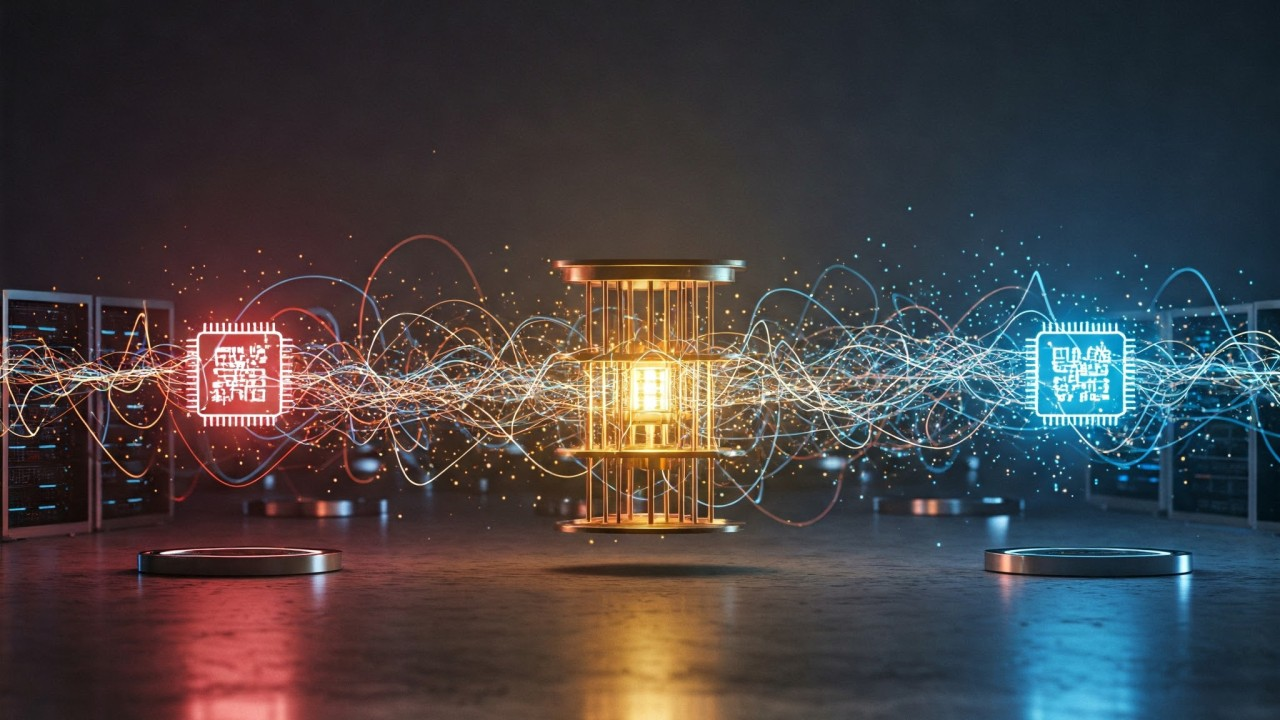
As of 2026, we stand firmly in the era of Noisy Intermediate-Scale Quantum (NISQ) computing. While we have moved beyond theoretical models to tangible, operational systems, these machines are not yet general-purpose replacements for classical computers. Instead, they function as specialized tools, currently scaling toward the goal of fault-tolerant, large-scale processing.
Global investment is accelerating, with an estimated 100 to 200 operational systems worldwide. The United States maintains a significant lead in commercial and scalable hardware, driven by industry titans and elite research institutions. Simultaneously, China is funneling massive state-led investment into quantum communications and domestic hardware development. Canada and various European nations are also establishing critical clusters, aiming to secure digital sovereignty in an era defined by quantum-ready infrastructure.
The industry landscape is dominated by a few key innovators, each pursuing distinct technical pathways:
IBM: Focuses on massive scalability, showcased by its Quantum System Two and the 1,121-qubit Condor processor, providing cloud-based access for diverse enterprise applications.
Google Quantum AI: Continues to push boundaries in error correction. Its Willow chip, featuring 105 qubits, has demonstrated success in below-threshold error mitigation, a vital milestone for stability.
Microsoft: Is pioneering topological qubits with its Majorana 1 chip, an approach designed to be inherently more stable against environmental noise than traditional methods.
D-Wave: Specializes in quantum annealing, a method optimized for logistics, financial modeling, and complex optimization tasks that are difficult for classical systems to manage.
Honeywell & SpinQ: Utilize diverse hardware architectures—such as trapped-ion technology and superconducting chips—to expand the variety of available quantum solutions, ranging from high-precision research models to education-grade hardware.
Despite these leaps, the field faces significant hurdles. Maintaining quantum coherence—the delicate state that allows qubits to perform calculations—remains difficult, and error correction is the primary bottleneck. McKinsey projections suggest we may see 5,000 operational systems by 2030, but true hardware-software maturity for complex problem-solving is likely an objective for 2035 and beyond.
The current trajectory is clear: we are transitioning from a phase of "quantum supremacy" demonstrations to one of practical, algorithmic application. While quantum computers are not currently replacing classical infrastructure, they are proving their theoretical potential in targeted simulations and optimizations. With the present rate of investment and the move toward more robust, error-corrected qubits, the quantum future is evolving from a distant prospect into a tangible, accelerating reality.