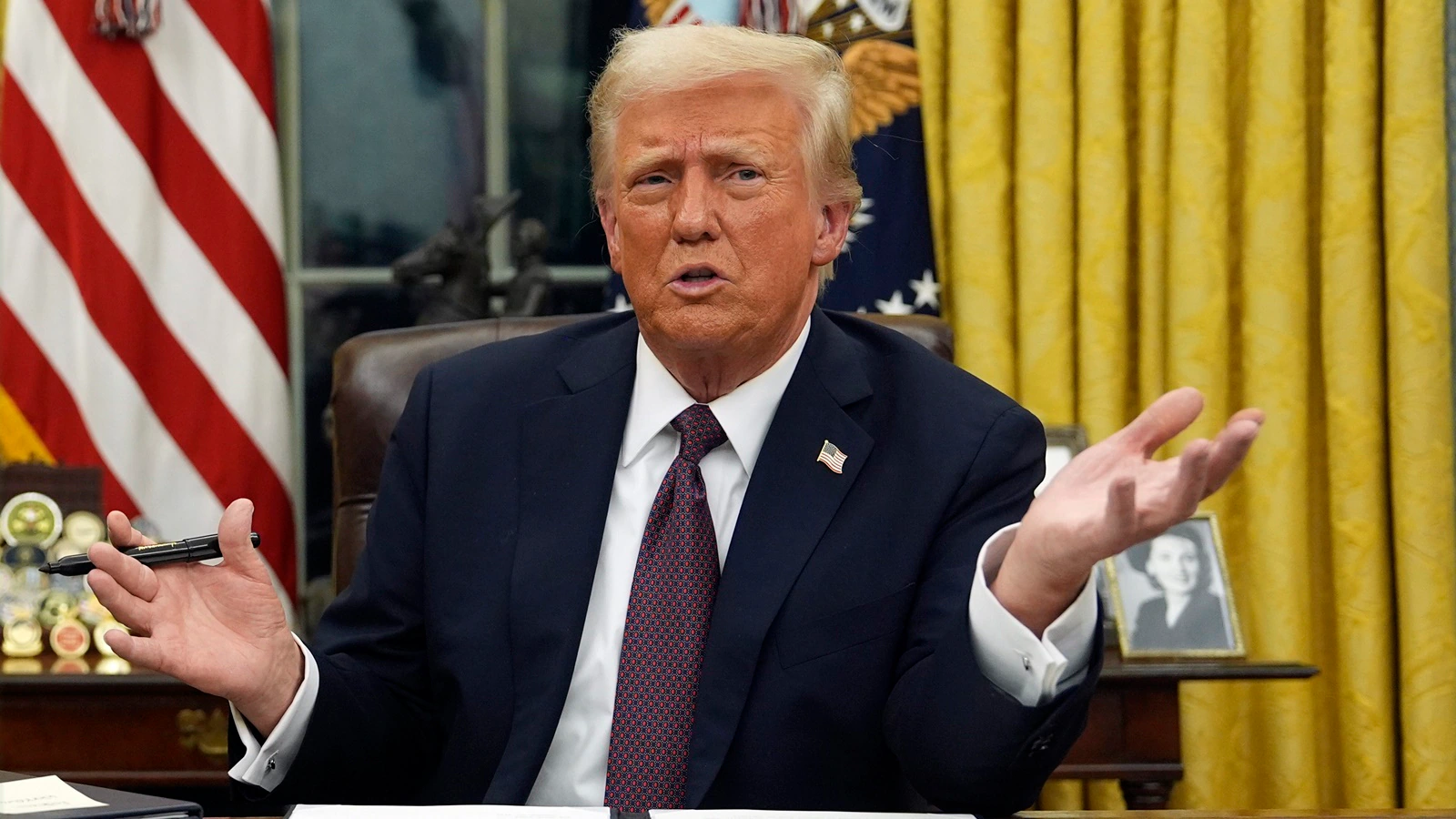
Former US President Donald Trump is set to intensify his immigration crackdown, signalling plans for expanded workplace raids and a significant increase in funding for immigration enforcement agencies, despite mounting criticism from civil rights groups, businesses, and local governments.
According to reports, Trump’s proposed approach includes allocating billions of dollars in additional resources to agencies such as Immigration and Customs Enforcement (ICE) and US Border Patrol, aimed at boosting deportations and strengthening border and interior enforcement. Workplace inspections and raids—particularly in industries that rely heavily on migrant labour—are expected to form a central part of the strategy.
Supporters argue that stricter enforcement is necessary to uphold immigration laws, deter illegal entry, and protect domestic jobs. They view the funding push as a continuation of Trump’s long-standing promise to prioritise border security and law enforcement.
However, the plans have triggered strong backlash. Critics warn that aggressive workplace raids could disrupt key sectors such as agriculture, construction, and hospitality, while also fostering fear within immigrant communities. Civil rights organisations have raised concerns over due process, racial profiling, and the humanitarian impact of large-scale enforcement actions.
From a broader policy perspective, the move underscores the sharp divide in US immigration politics. While enforcement-focused measures remain popular with Trump’s political base, opponents argue that they fail to address underlying issues such as labour shortages, asylum backlogs, and the need for comprehensive immigration reform.
As the debate intensifies, Trump’s renewed push signals that immigration enforcement will remain a central and polarising pillar of his political agenda, even in the face of economic and social resistance.